
Thinking about sprucing up your garden walls for a bit of evening charm? You’re in the right place. Modern outdoor garden wall lighting is all about blending style with practicality – making your outdoor space look good and feel a lot more usable after the sun goes down. Forget those old, clunky fixtures; we’re talking about sleek designs that can highlight architectural features, create mood, and even boost security.
The “Why” Behind Modern Wall Lights
You might be wondering, “Do I really need lights Onmatu on my garden walls?” It’s a fair question. Beyond just making things visible, modern wall lighting offers a surprisingly long list of benefits for your outdoor sanctuary. It’s not just about not tripping over a rogue garden gnome; it’s about transforming your entire garden experience.
Enhancing Aesthetics and Ambiance
Let’s be honest, a well-lit garden wall can look spectacular. Instead of a dark, foreboding barrier, it becomes a canvas for light and shadow. Think about how natural light plays on textures – wall lights can do the same thing, drawing attention to beautiful brickwork, stone features, or even interesting climbing plants. This creates depth and visual interest, making your garden feel more expansive and inviting, especially during those twilight hours when you’re most likely to be relaxing outside.
Creating Different Moods
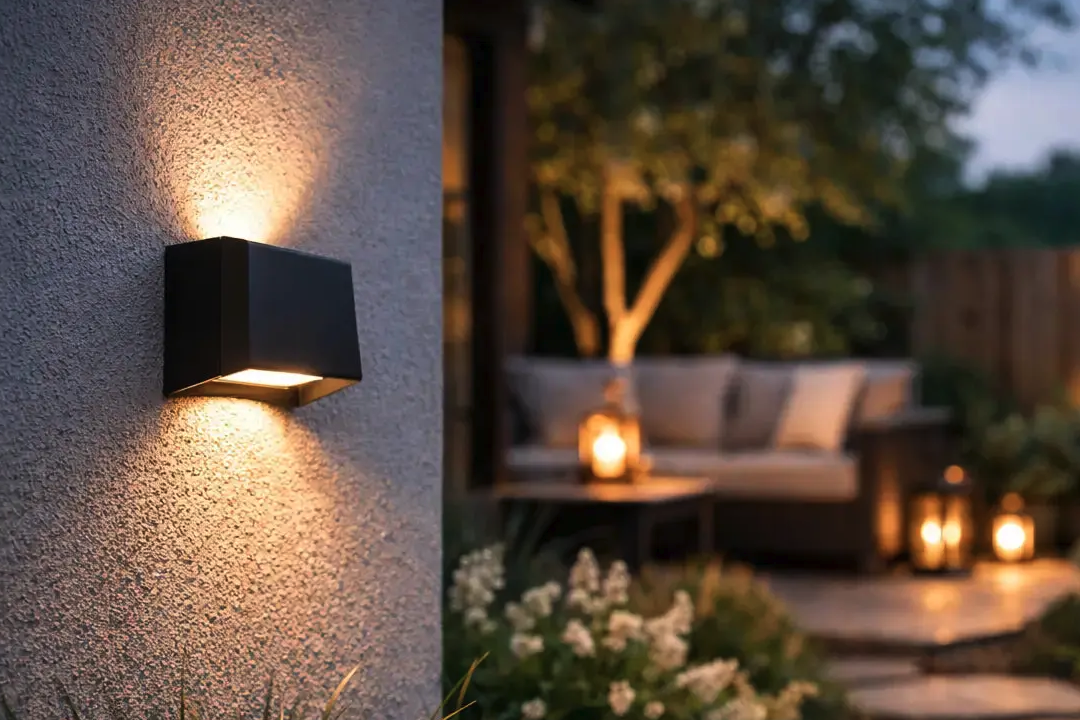
The type of light you choose and where you position it can fundamentally change the atmosphere of your garden. Uplighting can make walls feel grander and taller, while downlighting casts softer, more intimate pools of light. Spotlights can precisely highlight a prized sculpture or a particularly vibrant bloom. This control over ambiance means you can tailor your garden’s look to suit different occasions, from a quiet evening with a book to a more lively gathering with friends.
Improving Functionality and Usability
Beyond looks, good lighting makes your garden usable after dark. That often-overlooked wall can become a pathway guide, a safety feature, or simply an extension of your living space. Imagine being able to walk to your patio or shed without fumbling for a flashlight, or enjoying a meal outdoors under a gentle glow.
Guiding Pathways and Entrances
Garden walls often define pathways or mark entrances. Strategically placed wall lights can clearly illuminate these areas, preventing accidents and making navigation effortless, even on the darkest nights. This is particularly important if you have steps or changes in elevation along your garden walls.
Extending Evening Enjoyment
Your garden doesn’t have to shut down when the sun sets. Wall lights can create comfortable and inviting zones for evening relaxation, dining, or entertaining. This means you get to enjoy your beautiful outdoor space for longer throughout the day and into the night.
Types of Modern Outdoor Garden Wall Lights
The world of garden wall lighting has moved far beyond the basic porch light. Today, you have a fantastic array of options, each offering distinct visual and functional qualities. Getting to know these types will help you choose what best fits your garden’s style and your needs.
Uplighters and Downlighters
These are perhaps the most fundamental types of wall lights, and for good reason. Their directionality is key to shaping how light interacts with your walls and the surrounding environment.
Uplighters: Dramatic Effects
Uplighters, as the name suggests, cast light upwards. When mounted at the base of a wall, they create dramatic shadows and highlight textures from below, giving a sense of grandeur and dimension. They can make walls appear taller and more imposing, and are excellent for accentuating the natural patterns in brick, stone, or wood. Be mindful of glare; some uplighters are designed to be shielded to prevent light from shining directly into your eyes.
Downlighters: Softer Ambiance
Downlighters direct light downwards. These are great for creating a more relaxed and intimate atmosphere. They can illuminate pathways, seating areas, or specific plants without being overly harsh. They also tend to cast a softer, more diffused light, which can be very flattering for outdoor spaces. Think of them as creating gentle pools of light that invite you to linger.
Wall Lanterns: Traditional with a Modern Twist
While “lantern” might conjure images of gas lamps, modern versions are sleek, stylish, and often incorporate advanced LED technology. They offer a classic aesthetic that can be incredibly versatile.
Classic Elegance Reimagined
Many modern wall lanterns draw inspiration from traditional designs but are updated with cleaner lines, sophisticated materials like brushed stainless steel or powder-coated aluminum, and energy-efficient LED bulbs. They can add a touch of timeless charm to contemporary gardens without looking out of place.
Integrated Features
Some contemporary wall lanterns come with built-in features like motion sensors, dusk-to-dawn sensors, or even dimmer switches. These add a layer of convenience and functionality, allowing the lights to operate automatically or adjust their brightness based on your needs.
Step and Deck Lights: Subtle Guidance
While not strictly “wall” lights, these small, discreet fixtures are often mounted on the lower portions of a garden wall or integrated into surrounding structures. They are primarily functional, but can contribute significantly to the overall lighting scheme.
Safety and Accent Function
Step and deck lights are crucial for illuminating stairs, levels, and edges, preventing trips and falls in the dark. Their low profile means they don’t dominate the visual landscape, but their presence is invaluable for safety and can also add a subtle accent to the garden’s features.
Versatile Placement
These small lights can be embedded into walls, pavers, or decking. Their versatility makes them ideal for delineating edges, highlighting changes in elevation, or simply adding a soft glow along a garden path that runs alongside a wall.
Integrated LED and Smart Lighting
The technology behind outdoor lighting has advanced considerably, offering integrated solutions and smart capabilities that bring a new level of control and efficiency.
Built-in Efficiency
Integrated LED fixtures mean the light source is part of the unit, often leading to slimmer profiles and a more cohesive look. LEDs are energy-efficient, long-lasting, and available in a wide range of color temperatures, allowing you to fine-tune the mood.
Smart Control and Customization
Smart outdoor lighting systems allow you to control your lights via a smartphone app or voice commands. You can schedule dimming, set color changes (on some models), group lights, and even create custom lighting scenes for different events or moods, all from the comfort of your sofa.
Key Design Considerations for Your Garden Walls
Choosing the right lights is only part of the equation. How you integrate them into your garden walls is where the real magic happens. A thoughtful design approach ensures both functionality and a stunning visual outcome.
Material and Finish Harmony
The materials and finishes of your wall lights should complement your garden’s existing architecture and landscaping. Think about how the metal or composite of the fixture will interact with the stone, brick, wood, or render of your walls.
Complementing Wall Materials
If you have a rustic stone wall, perhaps a fixture with a cast iron or aged brass finish would work well. For a modern rendered wall, sleek brushed aluminum or matte black might be more appropriate. The goal is for the lights to enhance, not clash with, your wall’s character.
Durability and Weather Resistance
Outdoor lighting needs to withstand the elements. Look for fixtures made from durable, weather-resistant materials like powder-coated aluminum, stainless steel, bronze, or robust plastics. These will ensure your lights look good and function properly for years to come, regardless of rain, sun, or frost.
Light Color Temperature: Setting the Mood
The “color” of light, measured in Kelvin (K), plays a significant role in the ambiance of your garden. This is where you can really dial in the desired feel.
Warm White vs. Cool White
Warm white light (around 2700K-3000K) mimics incandescent bulbs and creates a cozy, inviting atmosphere. It’s excellent for general illumination and highlighting natural elements. Cool white light (4000K and above) is more akin to daylight and can feel more modern and stark, often used for security or task lighting where clarity is paramount. For most garden aesthetics, warm white is generally preferred.
Color Rendering Index (CRI)
The CRI indicates how accurately a light source reveals the true colors of objects. A higher CRI (80+) means your plants, flowers, and wall textures will appear more vibrant and natural under the light. This is especially important if you’re aiming to showcase specific colors in your garden.
Placement and Spacing: The Art of Illumination
Where you put your lights and how far apart they are will dictate the overall effect. This isn’t just about aesthetics; it’s also about functionality and preventing harsh shadows or uneven lighting.
Creating Focal Points
Use a few strategically placed lights to draw attention to particular features on your wall, such as a textured section, a piece of art, or a climbing plant. This creates visual interest and depth in the garden.
Ensuring Even Coverage and Avoiding Glare
For pathway illumination or general wall lighting, consider the spacing to avoid dark patches. Aim for overlapping pools of light rather than distinct spots. Crucially, position lights to prevent direct glare into people’s eyes. Shielded fixtures or angling lights away from seating areas are good practices.
Safety and Security Features in Modern Wall Lights
Beyond aesthetics and creating a welcoming atmosphere, modern garden wall lights can significantly enhance the safety and security of your property. This practical aspect shouldn’t be overlooked.
Motion-Activated Lighting
Motion sensors are a fantastic addition to outdoor wall lights. They provide illumination precisely when and where it’s needed, deterring potential intruders and saving energy.
Deterrent Effect
The sudden illumination of an area when movement is detected can be a powerful deterrent to trespassers. It signals that the property is monitored and occupied.
Convenience and Energy Savings
For areas like pathways or entrances, motion-activated lights ensure you’re never stepping into a dark space, and they only consume energy when there’s actual activity, leading to noticeable savings on your electricity bill.
Dusk-to-Dawn Sensors
These clever sensors automatically turn lights on at dusk and off at dawn, ensuring your garden is consistently illuminated during the hours of darkness without any manual intervention.
Consistent Illumination
Enjoy continuous security and ambiance throughout the night without having to remember to switch lights on or off. This is particularly useful for areas that benefit from constant, low-level lighting.
Energy Efficiency
While the lights are on all night, they are typically set to a lower brightness when no motion is detected, further contributing to energy efficiency compared to leaving bright lights on constantly.
Installation and Maintenance Tips
Getting your modern garden wall lights installed correctly and keeping them in good condition will ensure they perform beautifully for years to come.
Professional Installation vs. DIY
While some basic lighting installations can be a DIY project, particularly those using low-voltage systems or plug-in fixtures, it’s often advisable to call in a professional electrician for outdoor lighting.
Electrical Safety First
Outdoor electrical work carries inherent risks. A qualified electrician will ensure all wiring is safe, waterproof, and compliant with local building codes, preventing potential hazards like electric shocks or fire risks.
Optimal Placement Advice
Professionals can offer valuable advice on the best placement and angling of lights to achieve the desired aesthetic and functional outcomes. They understand how different beam angles and light intensities will affect your space.
Regular Cleaning and Checks
Just like any outdoor fixture, your lights will benefit from regular attention. This helps maintain their appearance and ensures they continue to function effectively.
Keeping Lenses Clean
Over time, dust, pollen, and water spots can accumulate on the lenses of your lights, dimming their output. A simple wipe-down with a damp cloth and mild detergent will restore their brightness.
Inspecting Fixtures and Wiring
Periodically check the physical condition of your light fixtures for any signs of damage, corrosion, or loose parts. Also, inspect any exposed wiring for wear or damage. If you’re unsure about any electrical components, always consult a professional.
Conclusion: Lighting Your Way to a More Inviting Garden
Modern outdoor garden wall lighting is more than just turning on a switch; it’s about thoughtful design that transforms your garden into a functional, beautiful, and secure space. By understanding the different types of lights available, considering their placement and the type of light they emit, and ensuring they are installed and maintained correctly, you can create an outdoor environment that you can enjoy long after the sun has set. It’s an investment that pays dividends in terms of extended usability, enhanced aesthetics, and a greater sense of security.