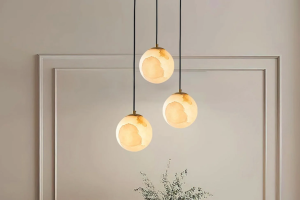

An elegant orb-shaped linen shade ceiling light can absolutely work wonders on a covered patio, providing both ambient light and a touch of sophisticated style. The key is to select one specifically rated for damp or wet conditions, ensuring it can withstand the humidity and potential splashes that come with an outdoor environment. Beyond functionality, these fixtures offer a softer, more diffused light compared to many outdoor options, creating a welcoming and comfortable atmosphere perfect for evening relaxation or entertaining.
Why an Orb-Shaped Linen Shade for a Covered Patio?
When you’re thinking about lighting for your covered patio, there’s a lot to consider beyond just throwing up a basic fixture. An orb-shaped linen shade ceiling light stands out for a few good reasons, blending aesthetics with practical considerations for outdoor living spaces.
The Appeal of the Orb Shape
The orb, or spherical shape, is inherently pleasing to the eye. It’s a classic form that offers a sense of balance and completeness. In a design context, it can soften the often-linear elements of a patio structure – think straight beams, rectangular tables, or squared-off furniture. This gentle curve introduces a bit of organic flow, making the space feel more inviting and less rigid. It’s a design choice that often feels timeless, meaning it won’t look dated in a few years.
The Charm of Linen Shades
Linen as a material for light shades is a fantastic choice for a covered patio. Unlike glass or metal, linen diffuses light beautifully. Instead of harsh, direct illumination, you get a soft, ambient glow that’s much more pleasant. This diffused light reduces glare, which is especially important in the evenings when your eyes are adjusting to lower light levels. The texture of linen also adds a touch of natural warmth and sophistication. It’s not a cold, industrial look; it’s something that feels comforting and elegant, tying into a more relaxed outdoor living style.
Blending Indoor Comfort with Outdoor Living
One of the biggest trends in home design is extending interior comfort to outdoor spaces. A covered patio, by its nature, is meant to be an extension of your home. Using a light fixture that wouldn’t look out of place indoors helps bridge that gap. An orb-shaped linen shade light doesn’t scream “outdoor utility fixture.” Instead, it whispers “cozy living room,” bringing that same level of design consideration and comfort out into the fresh air. It elevates the space from just a patio to an outdoor room.
Practical Benefits for a Patio
Beyond the aesthetics, there are practical advantages. The diffused light from a linen shade is excellent for creating a mood. It’s not the kind of light you use for detailed tasks, but it’s perfect for dining, conversation, or simply enjoying the evening. It also tends to spread light more evenly across the space, minimizing dark corners and harsh shadows. The shade material, when properly selected for outdoor use, also offers a layer of protection for the bulb itself from dust and insects, though regular cleaning will still be necessary.
Key Considerations for Covered Patio Lighting
Choosing the right light for a covered patio isn’t just about what looks good; it’s about selecting a fixture that will perform well and safely in an outdoor environment. There are a few non-negotiable points to keep in mind.
Understanding Damp vs. Wet Rated Fixtures
This is probably the most critical factor. Outdoor light fixtures are categorized by their ability to withstand exposure to moisture.
What is Damp Rated?
A damp-rated fixture is designed to be used in locations where moisture is present but not directly exposed to precipitation. Think of it like a bathroom or a covered porch where rain won’t directly hit the light. For a covered patio, this is often the minimum requirement. It means the internal components are sealed enough to handle humidity, condensation, and occasional indirect splashes, but not a direct downpour.
What is Wet Rated?
A wet-rated fixture is built to withstand direct exposure to rain, snow, and water spray. These are for uncovered outdoor areas. While your patio is covered, if there’s any chance of wind-driven rain reaching the fixture, or if it’s an open-sided patio where spray could be an issue, a wet-rated fixture might be a safer bet for longevity and safety. Always check the product specifications carefully to ensure it matches your patio’s specific exposure level.
Material Durability and Weather Resistance
Even with a cover, your patio light will be exposed to fluctuating temperatures, humidity, and potentially dust or insects.
Frame and Hardware Materials
Look for frames made from materials that won’t rust or degrade quickly. Stainless steel, aluminum (especially powder-coated), brass, or even certain treated woods are good choices. Avoid standard steel or iron that isn’t specifically treated for outdoor use. The hardware – screws, chains, mounting plates – should also be made from corrosion-resistant materials.
Shade Material for Outdoor Use
While linen is the desired aesthetic, traditional indoor linen won’t hold up. Outdoor-specific linen or fabric blends are treated to resist mildew, fading from UV exposure, and sometimes even water penetration. These fabrics are engineered to maintain their appearance and structural integrity despite environmental stressors. Make sure the product description explicitly states the shade material is suitable for outdoor or damp/wet conditions. If it doesn’t specify, it’s likely an indoor shade and won’t last.
Appropriate Sizing and Placement
Getting the scale right is crucial for both aesthetics and functionality.
Sizing for the Patio Area
A common guideline is to add the length and width of your patio (in feet) and use that sum as the approximate diameter (in inches) for your light fixture. So, a 10 ft by 12 ft patio might look good with a 22-inch diameter fixture. This is just a starting point; ceiling height and the overall open-ness of the space also play a role. Too small, and it looks lost; too large, and it can overwhelm.
Ceiling Height Considerations
For standard 8-foot ceilings, flush mount or semi-flush mount fixtures are often best to avoid head clearance issues. If you have higher vaulted ceilings, a pendant-style orb on a chain or stem can be very effective, allowing the light to hang at an appropriate height (usually 7 feet above the floor or 30-36 inches above a dining table). Always measure your specific space before committing.
Lighting Output and Dimming Capabilities
The goal is ambiance, not blinding illumination.
Lumens and Kelvin Temperature
For general patio lighting, you’ll likely want a warm white light (2700K to 3000K) to create a cozy atmosphere. The lumen output will depend on the size of your patio and how much other ambient light is available. For most covered patios, 800-1500 lumens might be a good starting point for a single fixture, but this is highly variable. If it’s your only light source, you might need more; if it’s supplementing other lights, less.
Importance of Dimmers
A dimmer switch is highly recommended for patio lighting. It allows you to adjust the brightness to suit the mood – brighter for dining, softer for relaxing. This flexibility is key to maximizing the usefulness and enjoyment of your patio light. Ensure that both the fixture and the bulbs you use are dimmable compatible.
Installation and Maintenance Tips
Even a simple light fixture requires proper installation and a bit of ongoing care to keep it looking good and functioning safely. Especially in an outdoor setting, these steps are more critical.
Professional vs. DIY Installation
Deciding whether to tackle the installation yourself or hire a professional depends on a few factors.
When to DIY
If you have experience with electrical wiring, are comfortable working on a ladder, and are simply replacing an existing fixture that has the same wiring configuration, then DIY might be feasible. Always, always turn off the power at the breaker first. Ensure your existing junction box is outdoor-rated and secure. Read the fixture’s instructions thoroughly.
When to Hire a Professional
If there’s no existing wiring, you need a new circuit run, or you’re unsure about any step of the process, it’s always best to hire a licensed electrician. Electrical work can be dangerous if not done correctly, and improper installation can lead to fire hazards or electrical shocks. An electrician will ensure everything is up to code and safe for outdoor use, especially concerning weatherproofing the connections. This is not the place to cut corners.
Ensuring Proper Sealing and Weatherproofing
This is paramount for any outdoor fixture, even under a cover.
Using Gaskets and Sealants
When mounting the fixture, ensure any included gaskets are properly seated between the fixture base and the mounting surface. These gaskets are critical for preventing moisture from entering the electrical box. If the instructions or your electrician recommend it, a bead of outdoor-rated silicone caulk around the top and sides of the fixture’s base (leaving the bottom unsealed for drainage, if appropriate) can add an extra layer of protection against water intrusion.
Checking Electrical Connections
All wire connections should be secured with appropriate wire nuts. For outdoor applications, electricians often use specific waterproof wire nuts or enclosures to protect these connections from moisture and corrosion, even within the junction box. If you’re DIYing, make sure you understand how to make safe, secure, and weatherproof connections.
Routine Cleaning and Bulb Replacement
Even the best outdoor fixtures need a little attention.
Cleaning the Shade and Fixture
Dust, pollen, and even small insects can accumulate on the linen shade and fixture frame. For the shade, a soft brush or a vacuum cleaner with a brush attachment can gently remove loose debris. For more stubborn stains on outdoor-rated fabric, follow the manufacturer’s cleaning recommendations. Usually, a mild soap and water solution with a soft cloth will suffice. For the fixture frame, a damp cloth is usually enough. Always disconnect power before cleaning.
Bulb Maintenance
Bulbs will eventually need replacing. Use the recommended bulb type and wattage as specified by the fixture manufacturer. If you’re using LED bulbs, they typically last a long time, but it’s good to have spares on hand. When replacing bulbs, ensure your hands are clean and dry, and don’t overtighten them. If water ingress is suspected (e.g., water in the bulb housing), address that issue before putting in a new bulb.
Styling Your Covered Patio with Linen Orb Lights
Once the practicalities are sorted, you can focus on how to make your orb-shaped linen shade light truly shine in your outdoor space. It’s all about creating a cohesive and inviting atmosphere.
Complementary Furniture and Decor
The light fixture shouldn’t exist in a vacuum; it should feel like an integrated part of your patio’s design.
Natural Textures and Materials
Given the linen shade, leaning into other natural textures will create a harmonious look. Think rattan furniture, jute rugs, teak side tables, or stone planters. These materials have an organic feel that pairs beautifully with linen and enhances the relaxed, sophisticated vibe. Avoid overly sleek or highly polished materials that might clash with the softness of the linen.
Soft Furnishings
Adding outdoor throw pillows, blankets, or even curtains in complementary colors and textures can really tie the space together. These soft furnishings echo the warmth and comfort introduced by the linen light, making the patio feel more like an outdoor living room. Choose fabrics that are weather-resistant and easy to clean.
Pairing with Other Lighting Elements
A single overhead light is often not enough to create a truly layered and functional lighting scheme.
Adding Task or Accent Lighting
Consider incorporating other types of lighting to round out your patio’s illumination. For dining, small table lamps or rechargeable lanterns can provide focused task lighting. For ambiance, string lights draped around the perimeter or tucked into plants can add a magical glow. Uplights can highlight architectural features or landscaping. The linen orb serves as the primary ambient light, and these others fill in the gaps.
Smart Home Integration
Many modern outdoor fixtures and lighting systems can be integrated into smart home setups. This allows for convenient control via an app, voice commands, or even scheduling. Imagine having your patio lights automatically dim at sunset or turn off when you leave. This adds a layer of convenience and sophistication.
Creating a Cohesive Design Aesthetic
Think about the overall “story” you want your patio to tell.
Modern Organic
If your patio has a clean, contemporary feel, an orb linen light can still fit perfectly. Look for fixtures with minimalist frames and crisp, off-white linen. Pair it with sleek outdoor furniture but add organic elements like large potted plants, natural wood accents, and perhaps a water feature to soften the edges.
Coastal Retreat
For a coastal-inspired patio, a linen orb light is a natural fit. Its light, airy feel complements blues, whites, and natural wood tones. Consider adding nautical rope accents, driftwood pieces, and plenty of light, breezy textiles to complete the look. The diffused light mimics the soft glow of a beach evening.
Transitional Elegance
If your home blends traditional and contemporary styles, the transitional aesthetic, the linen orb light works wonderfully. Its classic shape and modern material choice bridge the gap. Pair it with comfortable, upholstered outdoor seating, perhaps some wrought iron accents, and a mix of textures to create a space that feels both refined and welcoming.
Where to Find Your Perfect Orb-Shaped Linen Shade Light
Now that you know what to look for, the hunt for the right fixture begins. It’s helpful to know where to start your search to avoid getting overwhelmed.
Online Retailers with Extensive Selections
The internet offers the widest variety, but it also requires careful review.
Specialized Lighting Stores Online
Websites that focus solely on lighting fixtures often have the best selection of outdoor-rated options, including more niche styles like linen shades. They tend to have more detailed product descriptions, including crucial damp/wet ratings, material specifics, and bulb requirements. Examples might include Shades of Light, Lumens, or other similar specialized retailers. Always check their return policies, especially for larger items.
General Home Goods E-commerce Sites
Larger online marketplaces like Wayfair, Amazon, or Overstock also carry a vast array of lighting. The key here is to use very specific search terms (“outdoor damp rated linen orb ceiling light”) and to filter results meticulously. Pay close attention to customer reviews, especially those mentioning installation, durability, and how the fixture holds up outdoors. Be wary of listings that don’t clearly state the outdoor rating.
Brick-and-Mortar Stores for a Hands-On Approach
Sometimes seeing is believing, and for a significant purchase like a light fixture, it can be beneficial to view it in person.
Local Lighting Showrooms
These stores are invaluable. You can see the actual size, feel the quality of the materials, and get a better sense of how the light diffuses through the shade. The staff are often very knowledgeable and can answer specific questions about outdoor ratings, installation, and design compatibility. They might also be able to order specific models not shown on the floor.
Home Improvement Stores
Large chain home improvement stores (e.g., Home Depot, Lowe’s) will have an outdoor lighting section. While their selection of linen shade fixtures might be more limited, they often have competitive pricing and products that are readily available. It’s a good place to start to get a general idea of sizes and styles, and to understand basic outdoor lighting options. Just make sure to double-check the damp/wet rating and specific shade material as their descriptions can sometimes be less detailed than specialized stores.
Custom and Bespoke Options
If you have a very specific vision or a unique space, custom options might be worth exploring.
Working with a Designer or Fabricator
For truly unique requirements, you might consider working with an interior designer who specializes in outdoor spaces or even a custom lighting fabricator. This would allow you to specify the exact dimensions, shade material (from a range of outdoor-grade fabrics), frame finish, and even light output. This is typically a more expensive route but guarantees a one-of-a-kind fixture perfectly suited to your patio.
Checking Etsy or Artisan Marketplaces
Sometimes, smaller artisans on platforms like Etsy create unique, handmade lighting. If you go this route, be extra diligent about verifying the outdoor rating and material specifications. Ask detailed questions about how the fixture is sealed and what materials are used to ensure it’s safe and durable for a covered patio environment. Always prioritize safety and functionality over purely aesthetic appeal when it comes to outdoor electrical fixtures.