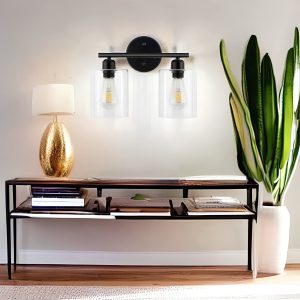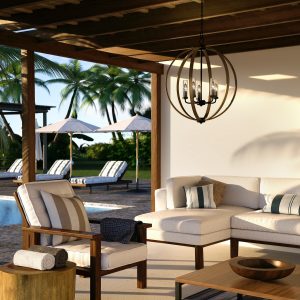

Looking to give your home’s exterior a fresh, clean look? Minimalist wall lights are a fantastic way to do just that. They offer a sleek, unobtrusive aesthetic that enhances your home’s architectural features without overwhelming them. Think less ‘grand statement’ and more ‘quiet sophistication.’ These lights are all about clean lines, understated materials, and smart functionality, making them perfect for modern, contemporary, or even subtly traditional homes. They provide the light you need exactly where you need it, often with an upscale, refined touch.
Minimalism isn’t just a trend; it’s a design philosophy that brings a lot to the table, especially for exterior lighting Fohof.
Less is More, Functionally Speaking
With minimalist lights, you’re not dealing with intricate designs that gather dust or require special cleaning. They’re usually quite robust and designed to withstand the elements without fuss. The focus is on the light itself and how it interacts with your home, not on the fixture as a decorative object. This means less visual clutter and a more harmonious look for your home’s facade.
Enhances Architectural Features
Instead of competing with your home’s design, minimalist lights work with it. They cast focused light that can highlight a beautiful texture on your wall, illuminate a doorway without glare, or create subtle shadows that add depth. It’s about drawing attention to your home’s best attributes, not distracting from them.
Energy Efficiency and Smart Tech Integration
Many minimalist designs prioritize LED technology. This means significantly lower energy consumption and a much longer lifespan compared to older bulb types. Beyond that, a lot of modern minimalist fixtures are designed to integrate seamlessly with smart home systems, allowing you to control brightness, set schedules, or even adjust color temperature with ease. Think about having your porch light gradually dim as the sun rises or automatically turning on when you arrive home.
Understanding Different Minimalist Light Types
When we say “minimalist,” we’re not talking about a single look. There’s a surprising variety available, all adhering to the core principles of simplicity.
Up-Down Lights: The Wall-Washing Effect
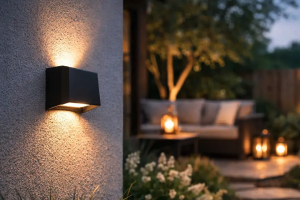
Up-down lights are probably what most people picture when they think of stylish minimalist exterior lighting. These fixtures emit light both upwards and downwards, creating a beautiful “wash” effect on your wall.
How They Work
Typically a small, often cylindrical or rectangular fixture, these lights are mounted flush or near-flush to the wall. The light is directed in two distinct beams, creating a dramatic, yet understated, visual. They’re excellent for adding architectural interest without being overly bright in one specific spot.
Best Placement Ideas
- Flanking Entryways: Place one on either side of your front door for a welcoming, balanced look.
- Highlighting Pillars or Columns: Emphasize vertical architectural elements.
- Along a Garage Wall: Break up a large, plain wall with interesting light patterns.
- On a Patio or Deck Wall: Create ambient lighting for outdoor entertaining areas.
Material and Finish Considerations
Look for durable materials like aluminum, stainless steel, or even composite materials that are weather-resistant. Finishes like matte black, dark bronze, or brushed silver are popular choices as they blend well with many exterior palettes.
Recessed Wall Lights: Seamless Integration
For the ultimate minimalist look, recessed wall lights disappear almost entirely into the wall, providing only the light itself.
The “Invisible” Light Source
These fixtures are literally built into the wall, with only a small bezel or grille visible. The result is pure functionality: light emanates from an unseen source, making your home look incredibly sleek and custom-designed.
Ideal Locations
- Stairways and Steps: Provide safe navigation without creating bulky fixtures.
- Pathways and Walkways: Guide visitors subtly along your property.
- Feature Walls: Enhance textures or art installations on an exterior wall.
- Low-Level Lighting for Patios: Create a soft glow around seating areas.
Installation Notes
Recessed lights require professional installation, as they involve cutting into the wall and ensuring proper waterproofing. It’s often easier to plan for these during construction or a major renovation project.
Flush Mounts: Discreet and Practical
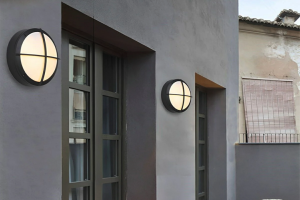
Flush-mount lights sit directly against the wall surface, often with a low profile that makes them blend in more than traditional sconces.
Low Profile, High Impact
These fixtures are designed to hug the wall, minimizing their projection. They’re a great compromise if you can’t or don’t want to recess lights but still want a very clean look. Their simplicity allows them to provide ample light without drawing too much attention to themselves.
Where They Shine
- Over Garage Doors: Provide general task lighting for pulling in and out.
- Porches and Covered Entryways: Offer broad, ambient light in sheltered areas.
- Side Entrances: Practical lighting for less prominent doorways.
- Under Overhangs: Can provide downcast light that feels nearly recessed.
Styles and Shapes
You’ll find these in simple geometric shapes – circles, squares, rectangles – often with a flat or slightly domed diffuser. Finishes tend to be neutral to blend into the background.
Choosing the Right Materials and Finishes
The longevity and aesthetic appeal of your minimalist lights heavily depend on the materials and finishes.
Durable Metals for Longevity
When selecting exterior lights, prioritize materials that can stand up to the elements – sun, rain, snow, and temperature fluctuations.
Aluminum: Lightweight and Rust-Resistant
Aluminum is a popular choice due to its excellent corrosion resistance and light weight. It’s easy to work with and can be finished in many ways. Powder-coated aluminum is particularly durable and offers a wide range of color options.
Stainless Steel: Sleek and Robust
For an undeniably modern and robust feel, stainless steel is a top contender. It’s highly resistant to rust and corrosion, especially in brushed or satin finishes. However, it can show water spots more easily than other materials, so consider your climate.
Copper and Brass: Natural Patina
While less common in extreme minimalist designs, unlacquered copper and brass can offer a beautiful, evolving aesthetic. They will naturally oxidize and develop a unique patina over time, adding character. If you want a truly unchanging look, opt for lacquered versions.
Finishes for Every Aesthetic
The finish is just as important as the material in achieving that minimalist look.
Matte Black: The Modern Staple
Matte black is arguably the most popular finish for minimalist exterior lights. It provides a sharp contrast against lighter walls and blends seamlessly with darker ones. It’s sophisticated, versatile, and doesn’t distract.
Dark Bronze: Warm and Understated
For a slightly softer, warmer metallic look, dark bronze is an excellent choice. It still offers that deep, rich tone but with a hint of warmth that can complement earthy tones or traditional architectural elements without being overtly ornate.
Brushed Nickel/Silver: Contemporary Cleanliness
These finishes provide a crisp, clean, and contemporary feel. They work exceptionally well with gray, white, and cool-toned exteriors. The brushed texture helps minimize fingerprints and smudges.
Smart Lighting Features for Modern Homes
Minimalist doesn’t mean basic. Many of these fixtures come packed with smart features that enhance convenience and security.
Dimming Capabilities: Setting the Mood
The ability to dim your exterior lights is incredibly useful. Full brightness for security or task lighting, and a soft glow for relaxed evenings on the patio.
Manual vs. Automated Dimming
You can achieve dimming with a compatible dimmer switch inside, or many smart lights allow you to adjust brightness via an app or voice control. Automated dimming can be set to transition with natural light or on a schedule.
Energy Saving Benefits
Dimming your lights isn’t just about ambiance; it also means using less energy, further extending the life of your LED bulbs and reducing your electricity bill.
Motion Sensors: Security and Convenience
Motion sensors are a staple for exterior lighting, providing both security and practical hands-free operation.
Enhanced Security
Lights turning on unexpectedly can deter intruders. Paired with a camera, motion-activated lights can capture clearer footage if someone approaches your home.
Hands-Free Operation
No fumbling for light switches when you arrive home with groceries! Motion sensors ensure your path is illuminated only when needed, saving energy in the process.
Adjustable Sensitivity and Range
Look for fixtures where you can adjust the sensor’s sensitivity and range to prevent false alarms from pets or passing cars, while still capturing relevant movement.
Dusk-to-Dawn Sensors: Set It and Forget It
These sensors automatically turn your lights on when it gets dark and off when the sun comes up.
Seamless Operation
No more remembering to switch lights on and off. The system handles it automatically, ensuring your home is always appropriately lit without any input from you.
Ideal for Ambient Lighting
Perfect for wall washes or pathway lights where you want a consistent, low-level glow throughout the night for safety and aesthetics.
Energy Conservation
By only operating when needed, dusk-to-dawn sensors help conserve energy.
Practical Considerations for Installation and Maintenance
Even minimalist lights require a bit of thought regarding placement and upkeep.
Strategic Placement for Maximum Impact
Where you put your lights can completely change the way your home looks after dark.
Entryways: Welcoming and Secure
As mentioned, flanking your front door with up-down lights or having a subtle flush mount above creates a welcoming entry point while providing essential navigation light. Consider the height – generally, eye-level or slightly above, accounting for the spread of the light.
Pathways and Steps: Safety First
Recessed or low-profile wall lights along pathways and steps are crucial for safety. They guide visitors and prevent trips and falls. Ensure the light is directed downwards to minimize glare.
Architectural Highlights: Emphasize Features
Use up-down lights or focused spotlights to draw attention to unique textures, materials, or structural elements of your home. Think about a stone wall, a distinctive window frame, or even large planters.
Garage and Side Doors: Practical Illumination
Ensure these functional areas are well-lit for safety and convenience. Flush mounts or simple sconces often work best here, providing broad, even light.
Weatherproofing and Durability Ratings
Exterior lights live in a harsh environment, so their durability rating is paramount.
IP Ratings: What They Mean
Look for the IP (Ingress Protection) rating. This two-digit number tells you how well the fixture is protected against solids (like dust) and liquids (water).
- First Digit (Solids): Ranges from 0 (no protection) to 6 (dust-tight). For exterior, you want at least a 4, preferably 5 or 6.
- Second Digit (Liquids): Ranges from 0 (no protection) to 8 (protected against prolonged submersion). For general exterior use, aim for IP44 (splash resistant) at minimum. For areas exposed directly to rain or jets of water, IP65 (jet-proof) or higher is recommended.
Materials Matter
As discussed earlier, choose materials like aluminum, stainless steel, and high-quality composites that are inherently resistant to rust and degradation.
Sealed Fixtures
Ensure the fixture is well-sealed to prevent water and insects from getting inside, which can lead to corrosion or electrical issues. Gaskets and tight tolerances are key.
Maintenance Tips for Lasting Beauty
Minimalist lights are generally low maintenance, but a little care goes a long way.
Regular Cleaning
Just like anything else exposed to the elements, your lights will accumulate dust, dirt, and possibly insect residue. A simple wipe-down with a damp cloth every few months will keep them looking their best. Avoid harsh chemicals that could damage finishes.
Check for Damage
Periodically inspect your fixtures for any signs of wear and tear, such as loose wiring, cracks in the housing, or damage to the finish. Addressing these promptly can prevent larger issues.
Ensure Proper Drainage
If your lights are in an area that collects water, ensure there’s proper drainage to prevent standing water around the fixture. This is more of an installation concern but worth monitoring.
DIY vs. Professional Installation
While some simple flush mounts might be a DIY project for someone comfortable with basic electrical work, many exterior lights, especially those involving new wiring runs or recessed installation, are best left to a professional electrician. They ensure safety, proper wiring, and adherence to local building codes.
By thoughtfully considering these aspects, you can select and install minimalist exterior wall lights that not only look fantastic but also perform reliably for years to come, truly enhancing your home’s curb appeal and functionality.