
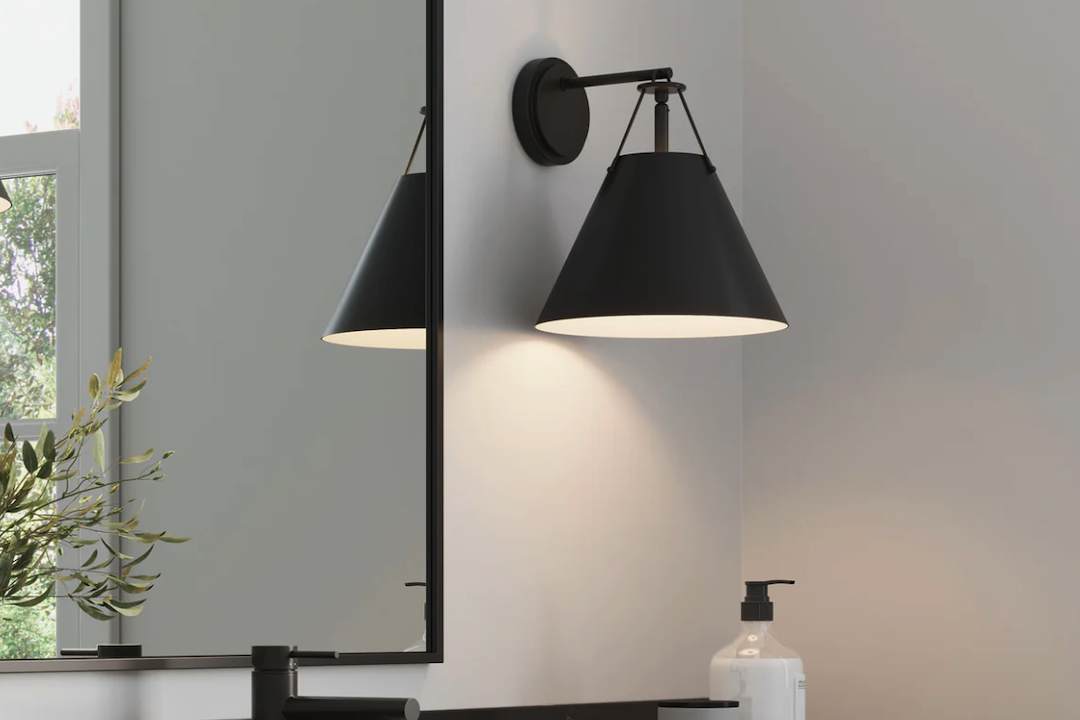
Ever felt like your cottagecore kitchen was missing a little… drama? That soft, sun-drenched aesthetic is lovely, but sometimes you crave depth, a touch of the unexpected. That’s where a cottagecore plum noir moody kitchen wall sconce comes in. It’s about more than just lighting; it’s about casting captivating shadows and creating an ambiance that’s both cozy and a little mysterious, moving beyond the typical light and breezy. These sconces are designed to add a rich, sophisticated mood without sacrificing that warm, approachable cottage core vibe you love. Think of it as a grown-up, slightly subversive take on cottagecore – embracing the twilight hours and the deeper, richer hues of nature.
Plum noir isn’t just a color; it’s an aesthetic. It’s about sophisticated, muted purples, deep mauves, and aubergine tones, often with hints of brown or grey, creating a rich, almost velvety feel. When paired with cottagecore, it bridges the gap between rustic charm and understated elegance, adding a touch of drama to an otherwise gentle scheme.
Deeper Than Lavender
While lavender and pale lilac are staples of traditional cottagecore, plum noir offers a more complex and mature palette. It’s less about spring meadows and more about the secret garden after dusk, or the intriguing shadows cast by ancient trees. This depth allows for more sophisticated styling and less of a saccharine feel.
Beyond the Light and Bright
Traditional cottagecore often emphasizes bright, airy spaces. Plum noir deliberately pulls back from this, inviting a more introspective and intimate atmosphere. It encourages lingering, cozy conversations, and perhaps a glass of wine by the soft glow of the sconce. It’s an intentional embrace of the “darker” side of comfort.
Why a Wall Sconce and Not Something Else?
In a kitchen, lightin Ozojo is crucial. While overhead lighting is practical, sconces offer something unique. They provide task lighting where you need it most, but also contribute significantly to the overall mood of the space.
Targeted Illumination
A well-placed wall sconce can illuminate specific areas, like a prep counter, a small breakfast nook, or a display of treasured dishware. This focused light helps with practical tasks without washing out the entire room.
Ambient Layering
Good lighting design involves layers. Sconces contribute to the ambient layer, adding warmth and depth without being the sole source of light. They work beautifully in conjunction with overhead fixtures and under-cabinet lighting.
Saving Precious Counter Space
Unlike table lamps or even some track lighting, wall sconces free up valuable counter and cabinet space. In a cottagecore kitchen, where every surface might be adorned with ceramics, plants, or recipe books, this is a distinct advantage.
Key Design Elements for a Mood-Enhancing Sconce
Not just any wall sconce will do. To truly capture the plum noir cottagecore aesthetic, certain design elements are critical. It’s about the materials, the finish, and the form working together to create that desired mood.
Material Matters
The material of your sconce heavily influences its visual weight and texture. For a plum noir look, steer clear of anything too shiny or modern.
Aged Metals
Think brass, bronze, or blackened steel. These metals, especially with an aged or antiqued finish, instantly add character and a sense of history. The subtle patina enhances the moody aesthetic, reflecting light softly rather than brightly.
Natural Woods
Darker wood tones, like walnut or ebonized oak, can be incorporated into the sconce’s design, grounding it in nature and adding a tactile warmth. The grain of the wood provides subtle texture.
Ceramic or Stoneware
A ceramic base or shade in a deep, mottled plum or charcoal tone would be perfectly aligned with the aesthetic. These materials have an organic, handcrafted feel that is quintessential cottagecore.
The Power of the Shade
The shade determines how light is diffused and directed. This is where much of the “moody” aspect comes into play.
Opaque or Dark-Toned Shades
Avoid clear glass or very light linen shades. Instead, opt for shades in deeper colors like plum, forest green, deep teal, or charcoal. These shades control light spill, directing it up, down, or in a focused beam, creating more defined pockets of light and shadow.
Textured Glass
If glass is used, look for textured, smoked, or seeded glass. These finishes refract light in interesting ways, adding visual interest and a softened glow rather than a harsh brightness.
Fabric Shades with Richness
Velvet or linen shades in deep, saturated jewel tones or muted plum hues can add a touch of plush sophistication. The fabric diffuses the light gently, creating a warm, inviting glow.
Form and Function
The shape and how the sconce is mounted also contribute to the overall feel. It should feel handcrafted and integrated, not mass-produced.
Vintage or Hand-Forged Styles
Look for designs that evoke a sense of bygone eras. Scrolled metalwork, simple yet elegant forms, or designs that mimic antique gas lamps can work well. The goal is a timeless piece.
Adjustable Arms
Sconces with articulating arms offer both practical flexibility and a charming, utilitarian aesthetic often found in older homes. This allows you to direct light precisely where needed.
Wall-Hugging Profiles
For smaller kitchens or where you want a less obtrusive look, consider sconces with a lower profile that sit closer to the wall. This helps maintain a sense of space while still providing that crucial mood lighting.
Integrating the Sconce into Your Cottagecore Kitchen
A single sconce, or a pair, won’t transform your kitchen alone. It’s about how it harmonizes with the existing decor and contributes to the overall narrative.
Color Palette Cohesion
The plum noir sconce should complement your existing kitchen colors.
Deep Tones as Accents
If your kitchen is primarily light, let the plum noir sconce be a striking accent. Pair it with other deep, rich tones in textiles (like tea towels or placemats), ceramics, or even a small painted cupboard for a cohesive look.
Harmonizing with Neutrals
Greys, creams, and warm off-whites provide a beautiful backdrop for plum noir, allowing the sconce to stand out without competing. The dark hues will add depth to an otherwise neutral scheme.
Playing with Jewel Tones
If you’re already incorporating jewel tones like deep emerald or sapphire, plum noir will fit right in, adding another layer of rich sophistication to your cottagecore palette.
Textural Play
Cottagecore thrives on texture. The sconce should contribute to this tactile richness.
Rough and Refined
Pair the smooth, perhaps slightly velvety, feel of a plum noir shade with rough-hewn wood, woven baskets, or natural fibers. This contrast creates visual interest and depth.
Metallic Mix
If your sconce is metal, consider other metallic accents in the kitchen – perhaps a copper pot rack or brass cabinet pulls. Ensure the finishes are complementary, leaning towards aged and antique rather than shiny and new.
Placement for Maximum Impact
Where you put the sconce matters as much as the sconce itself. Thoughtful placement amplifies its effect.
Over a Sink
This is a classic and practical spot. A sconce over the sink provides task lighting for washing dishes and also casts a warm glow over a frequently used area.
Framing a Window
A pair of sconces flanking a kitchen window can create a beautiful focal point, especially if the window overlooks a garden or a charming view. The sconces frame the natural light by day and provide a gentle glow by night.
Above a Breakfast Nook
For a cozy eating area, a sconce or two can define the space, making it feel more intimate and inviting. It creates a “room within a room” effect.
To Highlight Artwork or Shelves
If you have open shelving displaying cherished crockery or a piece of cottagecore-appropriate artwork, a strategically placed sconce can illuminate these features, drawing the eye and adding a layer of sophisticated display.
Practical Considerations Beyond Aesthetics
While aesthetics are paramount, practicalities can’t be ignored. A beautiful sconce is only good if it works well in your space.
Light Source and Warmth
The type of bulb you use is crucial for achieving that moody glow.
Dimmable Bulbs
Absolutely essential for controlling the mood. A dimmer switch allows you to adjust the light intensity from functional task lighting to a soft, atmospheric glow.
Warm White LED or Incandescent
Opt for bulbs with a lower Kelvin temperature (around 2200K-2700K) to emit a warm, inviting light, mimicking the glow of candlelight or older incandescent bulbs. Avoid bright, cool white light, which will instantly kill the “moody” vibe.
Low Wattage
You’re not trying to flood the room with light. Choose bulbs with lower wattage to maintain that intimate, shadowed feel. A single 40W equivalent LED is often sufficient for a sconce supplying ambient or accent lighting.
Installation and Electrical Needs
Wall sconces typically require hardwiring, which means you’ll likely need an electrician.
Professional Installation
Unless you’re confident with electrical work, it’s always best to hire a licensed electrician. They ensure safety and proper wiring.
Consider Existing Wiring
If you’re replacing old fixtures, verify the existing wiring can handle the new sconce. If you’re adding new sconces, plan for where the wiring will run.
Remote or Plug-in Options
While less common for true wall sconces, some decorative fixtures offer plug-in options. These are limited in placement and may require visible cords, which can detract from the cottagecore aesthetic. Hardwiring is generally preferred for a seamless look.
Scale and Proportion
Ensure the sconce is appropriately sized for its location and the overall room.
Not Too Big, Not Too Small
A sconce that’s too large will overwhelm the space, while one that’s too small will look insignificant. Consider the height of your ceilings, the width of the wall, and the surrounding furniture or features.
Pair for Balance
Often, two sconces placed symmetrically create a more balanced and impactful look than a single, isolated one. This is especially true when flanking architectural features or artwork.
Beyond the Kitchen: Other Plum Noir Touches
Once you’ve embraced the plum noir sconce in your kitchen, you might find yourself wanting to sprinkle this moody magic elsewhere.
Dining Area Ambiance
If your kitchen flows into a dining area, consider extending the theme with deep-toned linen tablecloths, plum-colored candles, or even a statement piece of dark-glazed pottery.
Cozy Nooks
A reading nook with a plush velvet cushion in a deep aubergine, illuminated by a small, subtle wall lamp, can be incredibly inviting. Add a chunky knit blanket and a selection of classic novels.
Bathroom Retreat
Imagine a bathroom with dark, moody floral wallpaper or painted walls in a deep grey with plum undertones. A vintage-style sconce with an opaque shade would complete the transformation into a sophisticated, spa-like retreat.
Entryway Welcome
An entryway sconce can set the tone for your home. A plum noir fixture, perhaps with a small wooden shelf below it adorned with dried flowers or a key bowl, provides a warm welcome.
Embracing the plum noir aesthetic in your cottagecore kitchen isn’t about abandoning the light; it’s about adding depth, sophistication, and a touch of delicious mystery. A carefully chosen wall sconce becomes a key player in this transformation, casting a glow that invites you to linger, to cook, and to simply be, in a space that feels uniquely yours – rich, warm, and wonderfully unexpected. It’s about finding beauty in the shadows, and allowing your cottagecore dream to evolve into something even more captivating.