
The integration of contemporary lighting within home decor is a significant consideration for design students. Understanding these elements allows for the creation of spaces that are not only functional but also aesthetically resonant. This article explores the principles and applications of contemporary lighting, specifically as it relates to crafted home decor, providing a foundational understanding for individuals embarking on design studies. The focus is on practical application, material innovation, and the impact of lighting on the user experience.
Contemporary lighting Lumesdesign has moved beyond its purely utilitarian function to become a central element of interior design. Historically, artificial light sources were primarily for illumination, a necessary but often unconsidered aspect of a room. The advent of new technologies and a deepened understanding of light’s psychological and aesthetic effects have transformed lighting into a design discipline in its own right. For design students, this evolution signifies an opportunity to explore light as a medium, capable of shaping perception and defining atmosphere.
From Incandescent to LED: Technological Advancements
The most significant shift in contemporary lighting has been driven by technological progress. The incandescent bulb, a staple for decades, offered a warm, familiar light but was notoriously inefficient and had a short lifespan. Its gradual replacement by more advanced technologies has opened up new possibilities.
The Rise of LED Technology
Light Emitting Diodes (LEDs) have revolutionized home lighting. They are highly energy-efficient, consume significantly less power than incandescent bulbs, and possess a much longer operational life. This longevity reduces maintenance and replacement costs, making them a sustainable choice. For design students, the low heat output of LEDs is also a critical advantage, allowing for their integration into materials and fixtures that might not withstand the heat of older bulb types. This has led to the development of innovative lighting solutions, from integrated architectural lighting to flexible light strips.
Smart Lighting and Connectivity
The integration of smart technology has further expanded the possibilities of contemporary lighting. Smart lighting systems allow users to control illumination levels, color temperature, and even color hues via smartphones, tablets, or voice commands. This level of control empowers designers to create dynamic and adaptable environments.
Personalization and Ambiance Creation
The ability to adjust lighting settings on demand provides a powerful tool for tailoring spaces to specific moods or activities. A living room can transition from a bright, energizing space for daytime activities to a warm, intimate setting for an evening gathering with a few simple adjustments. This adaptability is a crucial concept for design students to grasp, as it allows for multi-functional spaces that cater to diverse needs.
Energy Management and Sustainability
Beyond personalization, smart lighting contributes to energy efficiency. Systems can be programmed to dim or turn off lights in unoccupied rooms, optimizing energy consumption. This aligns with the growing emphasis on sustainable design practices within the curriculum for design students.
The Materiality of Contemporary Lighting Fixtures
Contemporary lighting is not solely about the light source; the design and materials of the fixtures themselves play a crucial role in the overall aesthetic. Gone are the days when lighting fixtures were merely functional holders for bulbs. Today, they are sculptural objects, integral to the interior design narrative.
Exploring Diverse Materials
Design students are encouraged to explore a wide range of materials for lighting fixtures. Traditional materials like metal (brass, steel, aluminum) and glass (blown glass, etched glass) continue to be relevant, often reinterpreted with modern finishes and forms. However, contemporary design also embraces less conventional materials.
Natural and Sustainable Materials
The increasing focus on sustainability has led to the increased use of natural and recycled materials. Bamboo, wood veneers, cork, and recycled plastics are being incorporated into lighting designs, offering unique textures and an organic feel. These materials can bring a tactile quality to a space, adding another layer of sensory experience for occupants.
Biophilic Design Integration
The principles of biophilic design, which seek to connect occupants with nature, are increasingly influencing material choices in lighting. Fixtures incorporating natural wood grains, plant-like forms, or even living elements like moss can enhance well-being and create a sense of tranquility. This integration of natural elements through lighting is a sophisticated design strategy that students should consider.
Advanced Composites and Synthetics
Alongside natural materials, advanced composites and synthetics offer designers new possibilities for form and function. Materials like acrylics, resins, and 3D-printed plastics allow for the creation of complex geometries and translucent or opaque surfaces with specialized light-diffusing properties. These materials can be molded into unconventional shapes that would be impossible with traditional methods, offering a truly modern aesthetic.
Form Follows Function, But Also Emotion
In contemporary lighting, the relationship between form and function is nuanced. While a fixture must efficiently house and direct light, its shape, size, and presence within a space are equally important. The form of a lighting fixture can evoke specific emotions and contribute to the overall narrative of a room.
Sculptural and Architectural Lighting
Many contemporary lighting designs transcend the utilitarian, acting as sculptural elements in their own right. These fixtures can be the focal point of a room, drawing the eye and sparking conversation.
Statement Chandeliers and Pendants
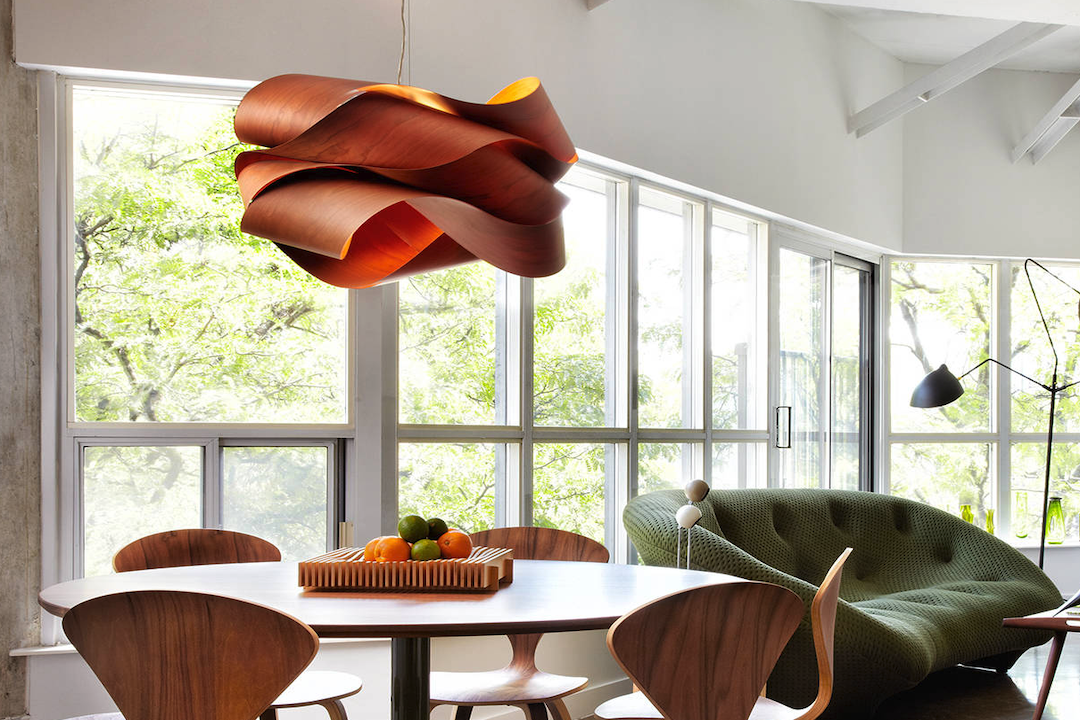
Modern interpretations of chandeliers and pendant lights often move away from ornate, traditional designs. They might feature clean lines, geometric shapes, or an assembly of minimalist sources. These pieces can add drama and sophistication to a space, defining its character.
Minimalism vs. Maximalism in Fixture Design
Design students need to understand the spectrum of aesthetic approaches. Minimalist lighting fixtures often prioritize simplicity, clean lines, and unobtrusive integration with the surrounding architecture. Maximalist designs, conversely, may embrace bold shapes, vibrant colors, and intricate details, making a strong visual statement. The choice depends on the intended atmosphere and the overall design scheme.
Integrated and Concealed Lighting Solutions
Another significant trend in contemporary lighting is the integration of light sources directly into architectural features or furniture. This approach creates a seamless flow and allows light to appear as if it emanates from the space itself, rather than from a distinct fixture.
Cove Lighting and Wall Grazing
Cove lighting, where light sources are hidden within a recess or edge, casts a soft, ambient glow onto ceilings or walls. Wall grazing involves directing light to skim across a textured surface, highlighting its details and adding depth. These techniques are effective for establishing a sophisticated and layered lighting environment.
Creating Layers of Light
Effective interior lighting is rarely achieved with a single light source. Design students are taught to create layers of light, combining ambient illumination (overall brightness), task lighting (for specific activities), and accent lighting (to highlight features). Contemporary fixtures and techniques facilitate this layered approach, allowing for a dynamic and responsive lighting scheme.
The Psychological Impact of Light in Designed Spaces
Light has a profound effect on human perception, mood, and behavior. Design students must understand how to wield light as a tool to enhance the user experience within crafted home decor. The quality, color temperature, and direction of light can transform the perception of space, materials, and even a person’s emotional state.
Color Temperature and Its Effects
The color temperature of light, measured in Kelvin (K), refers to the perceived warmth or coolness of the light. This seemingly subtle difference can significantly impact the atmosphere of a room.
Warm Light (2700K – 3000K)
Warm light, akin to that of traditional incandescent bulbs, is often associated with relaxation and comfort. It creates an inviting and cozy ambiance, making it suitable for living areas, bedrooms, and dining rooms where a sense of intimacy is desired. For crafted home decor, warm light can accentuate the natural tones of wood and textiles, enhancing their inherent warmth.
Neutral White Light (3500K – 4000K)
Neutral white light provides a balanced illumination that is neither overly warm nor cool. It is often preferred for kitchens, bathrooms, and workspaces where clear visibility and accurate color rendering are important. This type of light can help maintain a sense of alertness and clarity.
Cool White Light (4000K – 6500K)
Cool white light has a bluish tint and can create a crisp, energizing atmosphere. It is often used in commercial settings or for task-specific areas where heightened focus is required. However, in residential settings, excessive use of cool white light can feel sterile or clinical if not balanced with warmer sources.
Light Intensity and Brightness Control
The intensity or brightness of light directly influences the mood and functionality of a space. The ability to control this intensity is a cornerstone of contemporary lighting design.
Dimming Capabilities and Mood Setting
The widespread adoption of dimmable LED technology has made it easier than ever to adjust light intensity. This allows for the creation of distinct moods within a single space. A bright, energetic setting for daytime productivity can, with the flick of a switch or a voice command, transform into a soft, subdued environment for evening relaxation. This adaptability is a key feature of modern, multi-functional homes.
Creating Zones of Illumination
Beyond overall brightness, the strategic placement and intensity of light can establish distinct zones within a room. For instance, a brighter pendant light over a dining table can visually anchor the dining area, while softer, indirect lighting in the surrounding space creates a more relaxed atmosphere. This zoning helps to define the purpose and flow of different areas within an open-plan layout.
Glare Reduction and Visual Comfort
While brightness is important, minimizing glare is equally crucial for visual comfort. Glare occurs when light sources are too bright or positioned in a way that creates excessive brightness, leading to eye strain and discomfort.
Diffusers and Indirect Lighting Techniques
Contemporary lighting fixtures often incorporate diffusers, which are translucent materials that spread light evenly and soften its intensity. Indirect lighting, where light is bounced off surfaces like ceilings or walls, is another effective method for reducing glare and creating a gentle, ambient illumination. Design students analyze the placement and type of diffusers to ensure optimal light quality.
The Narrative Power of Light and Shadow
Light and shadow are not adversaries but rather partners in creating visual interest and depth. The interplay between illuminated areas and shadowed spaces can guide the eye, emphasize architectural features, and add a dramatic or serene quality to a room.
Highlighting Textures and Forms
Strategic lighting can accentuate the tactile qualities of crafted home decor. A carefully positioned spotlight can bring out the intricate details of a hand-carved wooden panel or the subtle weave of a textured fabric. This directional lighting, often referred to as accent lighting, adds a layer of sophistication and highlights the craftsmanship of the objects within a space.
The Drama of Contrast
The judicious use of shadows can create a sense of depth and drama. Instead of uniformly illuminating every surface, designers can strategically leave some areas in shadow to create focal points and guide the viewer’s attention. This approach transforms a space from a flat presentation of objects into a dynamic visual experience.
Guiding Circulation and Creating Visual Pathways
Lighting can also be used to subtly direct movement and define pathways within a home. Low-level lighting along hallways or subtle changes in illumination can guide inhabitants through a space, creating a sense of flow and order. This is particularly important in larger homes or open-plan layouts where clear circulation is essential.
Contemporary Lighting as a Component of Crafted Home Decor
Crafted home decor implies a focus on quality, artisanal skill, and unique design. Contemporary lighting plays a vital role in showcasing and enhancing these elements. It moves beyond simply providing light to become an integral part of the object’s narrative and the space it inhabits.
Showcasing Artisan Materials and Techniques
The appreciation for handcrafted objects extends to their integration within a well-lit environment. Contemporary lighting can be designed to complement, rather than compete with, the materiality of artisan pieces.
Enhancing Natural Textures
For furniture, textiles, or decorative objects made from natural materials like wood, stone, or clay, the right lighting can amplify their inherent textures and warmth. Warm, diffused light can highlight the grain of wood, the subtle variations in stone, or the unevenness of handmade pottery, celebrating the imperfections that define artisanal work.
Spotlight Techniques for Detail Emphasis
Specific lighting techniques, such as narrow beam spotlights, can be employed to draw attention to the intricate details of handcrafted items. This allows the viewer to appreciate the skill and effort invested in their creation, turning decorative objects into focal points within the design.
Preserving and Protecting Artisanal Objects
The type of light and its intensity can also impact the preservation of certain materials. For example, prolonged exposure to intense UV light can damage delicate textiles or fade pigments. Contemporary lighting solutions, particularly LED technology, offer options for light sources with minimal UV output, thus protecting valuable handcrafted pieces.
Integrating Lighting into Furniture and Architectural Elements
The concept of “crafted” is often associated with bespoke or custom-made items. Contemporary lighting is increasingly being integrated directly into furniture and architectural elements, blurring the lines between functional illumination and the object itself.
Built-in Lighting for Custom Furniture
For custom-designed furniture pieces, embedding LED strips or concealed spotlights can enhance their form and functionality. A bookshelf can be subtly illuminated from within, highlighting the books and adding a warm glow to the room. A dining table might feature integrated lighting that casts a soft light onto the tabletop, enhancing the dining experience.
Architectural Integration for Seamless Design
In architectural design, lighting can be seamlessly integrated into walls, ceilings, and floors. This approach creates a sophisticated and uncluttered aesthetic, where light appears to emanate effortlessly from the structure. This is often achieved through cove lighting, illuminated coves, or cleverly placed linear light sources that follow the building’s lines.
Flexible and Adaptable Lighting Systems
The idea of “crafted” also implies an understanding of user needs and flexibility. Contemporary lighting systems can be designed to be adaptable, allowing for adjustments to suit different activities or preferences.
Modular Lighting Components
The use of modular lighting components allows for customization and evolution of lighting schemes. Design students can explore how different modules can be combined and arranged to create unique lighting solutions that can be reconfigured as needs change.
Dynamic Lighting for Evolving Needs
The ability of lighting to adapt to changing needs is a hallmark of contemporary design. Imagine a home office that, with programmed lighting, can shift from a bright, task-oriented setting during work hours to a softer, ambient mode for relaxation in the evening. This adaptability is a key consideration for creating functional and user-centric crafted home decor.
The Role of Light in Defining Space and Flow
Within a home decorated with crafted elements, lighting plays a crucial role in defining the boundaries of different zones and guiding the inhabitant’s journey through the space.
Creating Visual Separation in Open-Plan Living
In open-plan layouts, where distinct rooms are not physically separated, lighting can be used to visually delineate different areas. A cluster of pendant lights over an island can signify the kitchen zone, while a warmer, more diffused light in a seating area can create a distinct living space. This layering of light helps to create functional and aesthetically pleasing zones without physical barriers.
Illusion of Space Through Light Placement
The strategic placement and intensity of light can create the illusion of greater space. Uplighting, for example, can make ceilings appear higher, while well-lit corners can prevent a room from feeling closed in. Conversely, strategically applied shadows can add depth and dimension.
Enhancing the Sense of Scale and Proportion
Lighting can also influence the perceived scale and proportion of a room. Large, dramatic fixtures can create a grand statement in spacious rooms, while more understated, smaller fixtures are appropriate for more intimate settings. Design students learn to select lighting that is in harmony with the overall scale of the space and the furnishings.
Practical Considerations for Design Students: Sourcing and Specification
For design students, translating theoretical knowledge of contemporary lighting into practical application requires an understanding of sourcing and specifying the appropriate fixtures and technologies.
Researching Manufacturers and Suppliers
The contemporary lighting market offers a vast array of options, from mass-produced fixtures to bespoke artisanal creations. Design students need to develop the skills to navigate this landscape effectively.
Identifying High-Quality Producers
It is important to identify manufacturers and suppliers known for their quality of materials, construction, and design innovation. This often involves researching their product lines, understanding their fabrication processes, and reading reviews or case studies.
Traditional vs. Independent Brands
While established lighting brands offer a wide range of options, independent designers and smaller studios often provide unique, handcrafted, or highly specialized lighting solutions. Exploring both traditional and independent sources can lead to more diverse and innovative design outcomes.
Understanding Certifications and Standards
For professional practice, it is crucial to be aware of relevant lighting certifications and standards, particularly concerning energy efficiency, safety, and electrical compliance. Design students should familiarize themselves with these to ensure their designs are not only aesthetically sound but also practical and responsible.
Material Selection and Durability
When specifying lighting for crafted home decor, the durability and appropriate use of materials are paramount. The chosen materials should not only be visually appealing but also suitable for the intended environment and the longevity of the fixture.
Considering Environmental Factors
Lighting fixtures intended for use in kitchens or bathrooms may require materials that are resistant to moisture and steam. Outdoor lighting will need to be weather-resistant. Design students must consider these environmental factors when selecting materials.
Maintenance and Longevity of Materials
The ease of maintenance and the expected lifespan of the materials used in a lighting fixture are also important considerations. Opting for materials that are easy to clean and maintain will ensure the fixture retains its aesthetic appeal over time.
Technical Specifications and Integration
Beyond aesthetics, the technical specifications of lighting components are critical for successful integration into a designed space.
Lumens, Color Rendering Index (CRI), and Beam Angle
Understanding technical terms like lumens (light output), CRI (accuracy of color representation), and beam angle (the spread of light) is essential for specifying the correct lighting for a given purpose. A high CRI is particularly important when showcasing handcrafted items, as it ensures their colors are accurately depicted.
Compatibility with Smart Home Systems
For smart lighting applications, ensuring compatibility with existing or planned smart home systems is crucial. This involves understanding the communication protocols (e.g., Wi-Fi, Bluetooth, Zigbee) and the integration capabilities of different lighting products.
Specification Sheets and Technical Drawings
Design students should become proficient in reading and creating specification sheets and technical drawings for lighting fixtures. These documents provide detailed information about the fixture’s dimensions, materials, electrical requirements, and installation guidelines, ensuring accurate implementation.
The Future of Contemporary Lighting in Home Decor for Design Students
The trajectory of contemporary lighting suggests a continued evolution driven by technological innovation, a deeper understanding of human experience, and an increasing commitment to sustainability. Design students who grasp these evolving trends will be well-equipped to shape future interior spaces.
Advancements in Smart and Responsive Lighting
The integration of artificial intelligence and machine learning into lighting systems is an emerging area. Future lighting may be able to adapt to occupant behaviors and preferences autonomously, further enhancing comfort and energy efficiency.
Predictive Lighting and User Behavior Analysis
Imagine lighting that automatically adjusts based on the time of day, external weather conditions, and even the occupants’ predicted activities. This level of predictive intelligence could revolutionize how we interact with light in our homes.
Biometric Integration and Wellness Lighting
The exploration of lighting’s impact on human physiology and well-being is a growing field. Future lighting systems might incorporate biometric feedback to optimize illumination for circadian rhythms, boost productivity, or promote relaxation, contributing to healthier living environments. This integration of lighting with personal wellness is a significant area for design exploration.
Sustainable Lighting Solutions and Circular Design
The emphasis on sustainability will undoubtedly steer lighting design towards more circular economy principles. This means not only energy efficiency but also the use of materials that can be reused, recycled, or biodegraded at the end of their life cycle.
Designing for Disassembly and Material Reuse
Future lighting fixtures will likely be designed with disassembly in mind, facilitating the recovery of individual components for repair, refurbishment, or recycling. This move towards a circular model challenges current linear production and consumption patterns.
Innovations in Bio-Materials and Biodegradable Components
The ongoing research into bio-materials and biodegradable alternatives for lighting components holds promise for reducing the environmental footprint of lighting production. This could lead to fixtures made from materials that naturally decompose, minimizing waste.
The Blurring Lines Between Lighting and Art
As lighting fixtures become more sculptural and technologically advanced, the distinction between functional illumination and artistic expression will continue to blur. Design students will be at the forefront of this convergence, creating objects that serve both practical and aesthetic purposes.
Interactive and Experiential Lighting Installations
The potential for lighting to become an interactive element within a home is vast. Imagine light installations that respond to touch, sound, or even movement, transforming spaces into dynamic and engaging environments. These immersive experiences will push the boundaries of traditional home decor.
Lighting as a Medium for Storytelling
In the future, lighting may be used more intentionally as a medium for storytelling, conveying narratives through subtle shifts in color, intensity, and form. This approach allows for the creation of deeply personal and evocative atmospheres that resonate with the inhabitants.
For design students, mastering contemporary lighting is not merely about selecting fixtures; it is about understanding light as a fundamental element of design, a tool that shapes perception, enhances well-being, and elevates the experience of crafted home decor. By embracing technological advancements, exploring new materials, and considering the psychological impact of light, they can create spaces that are not only visually striking but also profoundly functional and responsive to the needs of their inhabitants.