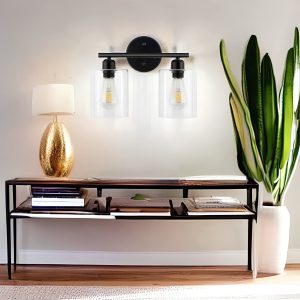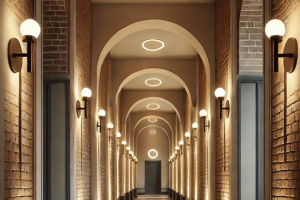

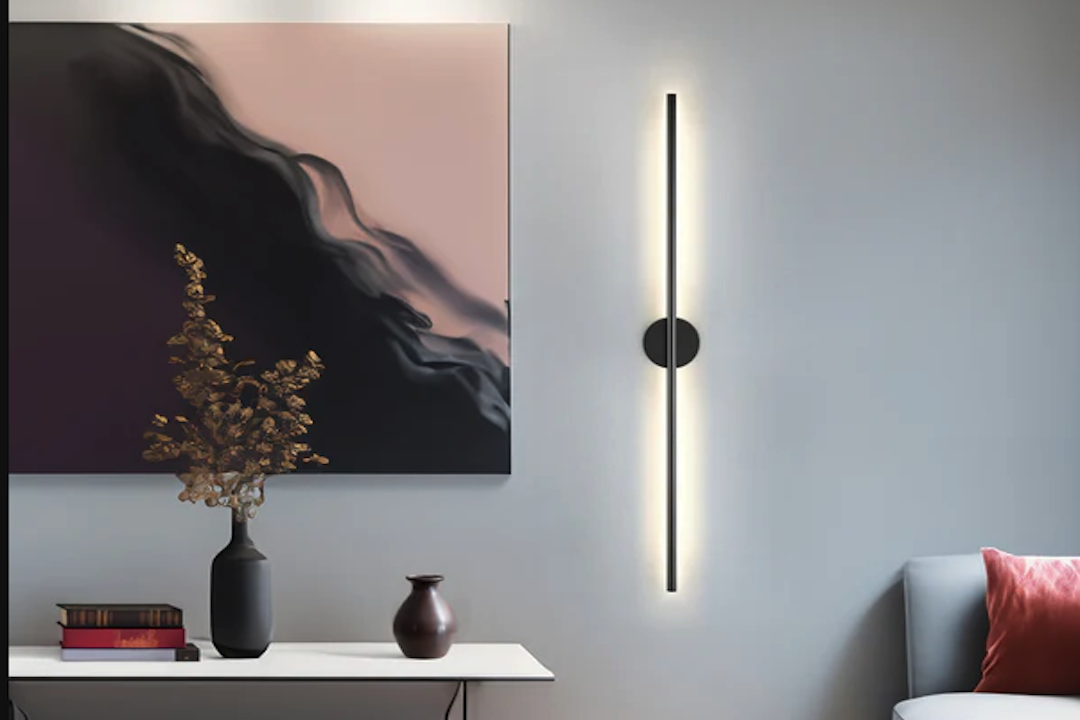
A contemporary slim-line wall sconce functions as a focused light source, typically mounted on a vertical surface for ambient or accent lighting. This design prioritizes a minimalist aesthetic, eschewing ornate detailing for clean lines and compact forms. The “slim-line” aspect refers to a reduced depth from the wall, contributing to a less intrusive visual presence.
The emergence of the contemporary slim-line wall sconce Vopdesign is a response to evolving architectural and interior design trends emphasizing minimalism, functionality, and space optimization. Designers have moved away from bulky, decorative fixtures towards forms that integrate seamlessly into the surrounding environment.
Minimalism as a Driving Force
The core tenet underlying the slim-line design is minimalism. This design philosophy, which gained significant traction in the mid-20th century and continues to influence contemporary aesthetics, advocates for “less is more.” In the context of lighting, this translates to:
Reduction of Ornamentation
Traditional sconces often featured elaborate metalwork, glass shades with sculpted patterns, and decorative finials. Contemporary slim-line models strip away these elements, replacing them with smooth surfaces, geometric shapes, and a focus on the intrinsic qualities of the materials. The form itself becomes an aesthetic statement, rather than being adorned with extraneous detail.
Emphasis on Functionality
While beauty is a consideration, the primary purpose of a slim-line wall sconce remains illumination. The reduction in decorative elements often allows for a more direct and efficient projection of light. The design is engineered to provide a specific lighting effect, be it broad wash, targeted beam, or subtle up/down lighting, without visual clutter.
Materiality and Texture
The minimalist approach places a greater emphasis on the materials used. Designers select materials for their inherent textures, colors, and how they interact with light. This can include:
Metals: Brushed Nickel, Black Steel, and Polished Chrome
These metals are favored for their clean, understated appearance. Brushed nickel offers a soft, matte finish that diffuses light subtly. Black steel provides a graphic contrast, grounding the fixture and accentuating its lines. Polished chrome delivers a reflective surface that can bounce light and add a touch of modern sophistication. The finish is crucial; a satin or matte finish generally aligns better with a minimalist ethos than a high-gloss, highly reflective surface, although the latter can be used strategically.
Wood and Laminates
In some instances, natural wood veneers or high-pressure laminates are incorporated to introduce warmth and organic texture. These are typically finished to maintain a smooth, clean appearance, avoiding a rustic or overly naturalistic feel.
Glass and Acrylics
When used, glass and acrylics are often chosen for their transparency or translucency to soften light. Frosted or satin-etched glass can diffuse light effectively for a more even spread, while clear glass or acrylic can be used for focused downlighting applications.
Historical Precedents and Contemporary Adaptations
The concept of mounting light fixtures on walls is ancient, with early examples being torches or oil lamps set in brackets. However, the evolution towards the modern sconce began with the advent of electricity.
Early Electric Sconces
Early electric wall lights often mimicked gaslight fixtures, retaining some of their decorative elements. As electrical technology advanced and design sensibilities shifted, fixtures began to evolve.
The Influence of Mid-Century Modernism
The Mid-Century Modern movement, with its embrace of clean lines, organic shapes, and integration with nature, provided fertile ground for the development of more streamlined lighting. While not explicitly “slim-line” in the contemporary sense, many fixtures from this era laid the groundwork with their less ornate designs and focus on form.
Post-War Innovation and Space Constraints
The post-war era saw a rise in smaller living spaces and a greater emphasis on functional design. This spurred innovation in lighting that was less obtrusive and could serve multiple purposes. The wall sconce, with its ability to provide light without taking up floor or table space, became increasingly popular.
The Digital Age and Smart Lighting Integration
The 21st century has seen the integration of smart technology into everyday objects, including lighting. Contemporary slim-line wall sconces can now feature:
Dimmable Capabilities
Nearly all modern sconces offer dimming functionality, allowing users to adjust light intensity to suit the mood or task. This is often controlled via a wall dimmer switch, a remote, or through smart home systems.
Integrated LED Technology
Light Emitting Diodes (LEDs) are the dominant light source in contemporary fixtures due to their energy efficiency, longevity, and small form factor. This allows for incredibly slim profiles as the light source itself is compact.
Color Temperature Adjustability
Some advanced models allow for the adjustment of color temperature, enabling a shift from cool, daylight-like tones for task lighting to warm, cozy hues for ambient settings.
Functional Applications and Placement
The design of a slim-line wall sconce lends itself to a variety of functional applications within different interior spaces. Its compact nature makes it a versatile option where space is at a premium or where a subtle lighting effect is desired.
Ambient Lighting Strategies
Ambient lighting aims to provide a general level of illumination throughout a space. Slim-line sconces contribute to this by:
Creating a Soft Glow
When positioned strategically, sconces can bounce light off walls and ceilings, creating a diffuse and inviting atmosphere. This is particularly effective in living rooms and dining areas.
Layering Light
Ambient lighting is rarely the sole source of illumination. Slim-line sconces can be used in conjunction with ceiling fixtures, floor lamps, and table lamps to create depth and visual interest. They fill in darker areas and contribute to an overall balanced lighting scheme.
Accent Lighting and Highlighting Features
Beyond general illumination, slim-line sconces excel at drawing attention to specific elements within a room.
Illuminating Artwork and Architectural Details
Focused downlighting or uplighting from a slim sconce can precisely highlight a painting, sculpture, or an interesting architectural feature like a textured wall or a staircase. The narrow beam of light acts like a spotlight, drawing the eye to the intended subject.
Creating Dramatic Shadows and Moods
By directing light upwards or downwards onto a surface, slim-line sconces can create intriguing shadow play. This can add depth and drama to a space, transforming a plain wall into a dynamic canvas.
Task Lighting Integration
While not their primary function, some slim-line sconces can be adapted for task lighting.
Reading Nooks and Beside Beds
Sconces mounted beside a reading chair or a bed, often with an adjustable arm or head, can provide targeted light for reading without the need for a dedicated table lamp. The slim profile ensures they don’t encroach on personal space.
Kitchen and Hallway Utility
In kitchens, slim sconces can offer localized task lighting over countertops or a stovetop. In hallways, they can provide safe and functional illumination for navigation.
Strategic Placement Considerations
The effectiveness of a slim-line wall sconce is heavily reliant on its placement. Incorrect positioning can lead to glare, uneven lighting, or a lack of visual impact.
Height from the Floor
For general ambient lighting, sconces are typically mounted at a height of 5 to 6 feet from the floor. This ensures that the light source is above seated eye level and projects light effectively without causing direct glare.
Spacing and Proximity
When used for ambient lighting in a room, sconces are often spaced evenly along walls, typically 8 to 12 feet apart, depending on the light output and the desired level of illumination. For accent lighting, they are positioned directly above or below the object they are intended to highlight.
Proximity to Furniture and Traffic Flow
Care must be taken to ensure that sconces do not interfere with furniture placement or impede pedestrian traffic. A slim-line design inherently aids in this, as it projects less from the wall.
Material Innovation and Sustainable Design
The evolution of slim-line wall sconces is intrinsically linked to advancements in material science and an increasing focus on sustainability within the design and manufacturing sectors.
The Role of Advanced Manufacturing Techniques
Modern manufacturing processes have enabled the creation of incredibly thin yet durable components, which are essential for the slim-line aesthetic.
Precision Metal Fabrication
Laser cutting, CNC machining, and advanced welding techniques allow for the precise shaping of metal components. This enables the creation of seamless housing and mounting brackets that contribute to the sleek, unibody appearance of many slim sconces.
Injection Molding of Polymers
For components that don’t require the structural integrity of metal, high-quality polymers can be injection molded. This allows for complex shapes and integrated features at a lower cost and with less material waste.
Sustainable Material Choices
As environmental consciousness grows, designers and manufacturers are increasingly opting for materials with a lower ecological footprint.
Recycled Content
Many metal components, such as aluminum and steel, can be manufactured with a significant percentage of recycled content without compromising quality or appearance. Manufacturers often specify this in their product details.
Low-VOC Finishes
Volatile Organic Compounds (VOCs) are chemicals that can be released into the atmosphere from paints and finishes. Modern manufacturers are increasingly using low-VOC or zero-VOC finishes to improve indoor air quality and reduce environmental impact.
Energy-Efficient Light Sources (LEDs)
As previously noted, the widespread adoption of LED technology is a cornerstone of sustainable lighting design. LEDs consume significantly less energy than incandescent or halogen bulbs and have a much longer lifespan, reducing the frequency of replacement and associated waste.
Durability and Longevity
A truly sustainable design is one that lasts. Slim-line wall sconces, when manufactured with quality materials and robust construction, are designed for longevity. This reduces the need for frequent replacements, further contributing to their environmental credentials.
Technology Integration and Smart Features
The contemporary slim-line wall sconce is no longer just a passive light source; it is increasingly becoming an integrated element of a connected home, offering sophisticated control and enhanced functionality.
Smart Home Compatibility
The ability to integrate with popular smart home ecosystems is a key feature of modern lighting.
Voice Control
Sconces compatible with platforms like Amazon Alexa, Google Assistant, or Apple HomeKit can be controlled using voice commands. This allows for hands-free operation, such as “Turn on the hallway lights” or “Dim the sconce by 20%.”
App-Based Control
Dedicated mobile applications provide granular control over lighting settings. Users can adjust brightness, color temperature, set schedules, and create custom lighting scenes from their smartphones or tablets, regardless of their physical location.
Scene Setting and Automation
Smart sconces can be programmed to participate in pre-set “scenes” for different activities. For example, a “Movie Night” scene might dim the living room sconces to a warm, low level, while a “Dinner Party” scene could involve brighter, more evenly distributed light. Automation can also be employed, linking sconce operation to other smart devices or environmental sensors.
Enhanced Lighting Control Features
Beyond simple on/off functionality, modern sconces offer advanced lighting control.
Tunable White Technology
This feature allows users to adjust the color temperature of the light emitted by the sconce, simulating natural daylight cycles or adapting to specific moods. Users can transition from energizing cool white light in the morning to relaxing warm white light in the evening.
Preset Lighting Modes
Many smart sconces come with pre-programmed lighting modes for specific tasks, such as reading, working, or relaxing, simplifying the user experience.
Power and Connectivity Options
The method of powering and connecting smart sconces is also evolving.
Wired vs. Wireless Connectivity
While traditional sconces are wired directly into the mains electricity, some smart fixtures offer wireless connectivity options for easier installation, particularly in retrofit situations. However, mains power is still the most common and reliable method for consistent performance.
Power Over Ethernet (PoE)
In commercial or more advanced residential installations, Power Over Ethernet (PoE) can be considered for data and power delivery, though this is less common for consumer-grade wall sconces.
Security and Privacy Considerations
As with any smart device, security and privacy are important considerations. Users should ensure that their smart home devices are connected to secure networks and that they understand the privacy policies of the manufacturers.
Aesthetics and Versatility
The contemporary slim-line wall sconce represents a convergence of form and function, offering a sophisticated lighting solution that complements a wide range of interior design styles. Its minimalist nature is not a limitation but rather a testament to its adaptability.
Seamless Integration with Modern Interiors
The clean lines and understated profiles of slim-line sconces make them ideal for modern and contemporary interiors. They do not compete for visual attention with furniture or decorative elements but instead enhance the overall aesthetic.
Scandinavian Design
This style, characterized by its simplicity, functionality, and natural materials, finds a natural partner in slim-line sconces. They provide the necessary light without introducing clutter.
Industrial Design
In spaces with exposed brick, metal accents, and a utilitarian feel, slim sconces can offer a sleek counterpoint, providing focused light without detracting from the raw aesthetic.
Transitional Design
Even in more traditional settings, a well-chosen slim-line sconce can introduce a touch of modernity without clashing. The key is to select finishes and forms that bridge the gap between classic and contemporary.
Creating Focal Points and Defining Spaces
The strategic placement of slim-line sconces can subtly redefine spaces or create visual points of interest.
Hallways and Corridors
As mentioned previously, they provide essential illumination for navigation, but their design can also add an architectural element to these often-overlooked areas.
Staircases
Mounted along a staircase, they offer safety and define the architectural lines of the ascent, drawing the eye upward.
Entryways and Foyers
A thoughtfully placed sconce can create a welcoming ambiance, setting the tone for the rest of the home.
Complementing Existing Decor
The versatility of slim-line sconces means they can adapt to various color palettes and material schemes.
Contrasting or Harmonizing Finishes
A black metal sconce can provide a bold contrast against a light-colored wall, while a brushed nickel fixture can harmonize with chrome or silver accents.
Minimalist Expression
In spaces where extreme minimalism is desired, the sconce can become almost invisible, with its light being the primary visual element.
Lighting as an Architectural Element
In essence, contemporary slim-line wall sconces elevate lighting from a mere utility to an integral part of the architectural design. They are not simply fixtures; they are elements that shape perception, define ambiance, and contribute to the overall narrative of a space. The slim-line form is the vessel, but the light it delivers is the true protagonist, capable of transforming the ordinary into the extraordinary.