
Here is an article about high-quality bedside lamps, written in a factual style suitable for Wikipedia.
In the realm of interior design, the bedside lamp serves a dual purpose, extending beyond mere illumination. It is a functional requirement for reading, navigating the nocturnal environment, and creating a conducive atmosphere for rest. While the market offers a vast array of lighting options, selecting a high-quality bedside lamp involves considerations that transcend superficial aesthetics. This article explores the various facets of what constitutes a “Designer’s Choice” in high-quality bedside lamps Akapearls, examining the interplay of materials, functionality, lighting characteristics, and design principles that contribute to its elevated status. The intention is to provide a comprehensive understanding for discerning individuals seeking to optimize their bedroom environment.
Functionality and Features
The primary role of any lamp is to provide light, but a high-quality bedside lamp integrates this fundamental function with a suite of features designed to enhance user experience and longevity. These features are not simply add-ons but are often integral to the lamp’s design and efficacy.
Illumination Control
The ability to control the intensity and quality of light is a hallmark of a superior bedside lamp.
Dimming Capabilities
- Stepless Dimming: The most sophisticated bedside lamps offer stepless dimming, allowing for precise adjustment of brightness from a subtle ambient glow to a more practical reading light. This is often achieved through touch controls or a dedicated dial. The absence of distinct “steps” in brightness creates a smoother, more customizable lighting experience, akin to adjusting the throttle on a well-tuned engine rather than selecting from pre-set gears.
- Multiple Brightness Levels: A simpler, yet still effective, form of illumination control involves pre-set brightness levels, typically three or four. This caters to common scenarios, such as low light for winding down, moderate light for preparing for sleep, and brighter light for reading.
- Memory Function: Some advanced dimmable lamps retain the last used brightness setting, eliminating the need to re-adjust the light each time it is turned on. This feature streamlines the user’s interaction with the lamp, saving time and effort.
Color Temperature Adjustment
The human eye perceives light differently depending on its color temperature, measured in Kelvin (K). A versatile bedside lamp can adjust this temperature to suit different needs and times of day.
- Warm White (2700K-3000K): This range mimics the soft, cozy light of a candle or incandescent bulb. It is ideal for relaxation and promotes melatonin production, aiding in sleep preparation. It can be likened to the comforting embrace of a familiar blanket.
- Cool White (4000K-5000K): This is a more neutral or slightly bluish light, similar to daylight. It is often preferred for tasks requiring focus, such as reading, as it can enhance alertness.
- Daylight (5000K-6500K): The brightest and bluest end of the spectrum, closely simulating natural daylight. While energizing, it is generally less recommended for bedside use in the hours leading up to sleep.
Power and Connectivity
Modern bedside lamps often incorporate convenience features related to power delivery and data connectivity.
Integrated USB Ports
- Charging Convenience: Many high-quality bedside lamps feature one or more USB-A or USB-C ports. These ports allow for the charging of mobile phones, tablets, e-readers, and other personal devices directly from the lamp, eliminating the need for separate power adapters and freeing up adjacent wall outlets. This is a practical solution for managing the growing number of personal electronics that require daily charging.
- Port Type and Speed: The inclusion of USB-C ports is becoming more prevalent due to their faster charging speeds and reversible design. The charging wattage of the USB ports is also a consideration, with higher wattage ports offering quicker charging for compatible devices.
Wireless Charging Pads
- Qi-Certified Charging: Some premium bedside lamps integrate a Qi-certified wireless charging pad into their base or a designated surface. This allows users to simply place a compatible smartphone on the pad for effortless charging, further reducing cable clutter. This offers a seamless way to power devices, transforming the lamp into a hub for personal technology.
Smart Features and Connectivity
The integration of smart technology has elevated the bedside lamp from a simple illuminator to a connected device.
Smart Home Compatibility
- Voice Control: Lamps compatible with virtual assistants like Amazon Alexa, Google Assistant, or Apple HomeKit can be controlled via voice commands. This allows for hands-free operation, such as turning the light on or off, adjusting brightness, or changing color temperature, all without lifting a finger, especially useful when already settled in bed.
- App Control: Dedicated mobile applications often accompany smart lamps, providing granular control over all features, scheduling, and automation. Users can set routines, such as the lamp gradually dimming at a specific time each evening or turning on at a pre-determined brightness in the morning.
Scheduling and Automation
- Circadian Rhythm Support: Some advanced smart lamps can be programmed to sync with the body’s natural circadian rhythm. This involves gradually increasing the light intensity and color temperature in the morning to promote wakefulness and then slowly decreasing them in the evening to encourage sleep. This feature acts as a gentle nudge from nature, helping to regulate sleep-wake cycles.
- Scene Creation: Smart lighting applications allow users to create customized lighting “scenes” for different activities or moods. For example, a “Reading Scene” might set a specific brightness and color temperature, while a “Relax Scene” could dim the light to a warm, soft glow.
Design and Aesthetics
The visual appeal of a bedside lamp is a crucial element of its selection, as it contributes significantly to the overall ambiance of the bedroom. A high-quality lamp harmonizes functionality with form.
Material Quality and Craftsmanship
The materials used in the construction of a bedside lamp are a key indicator of its quality and durability.
Lamp Base Materials
- Metals: Solid brass, brushed nickel, polished chrome, and wrought iron are common in high-end lamps. These materials offer a sense of weight, solidity, and visual sophistication. The finish of the metal, whether polished, brushed, or antiqued, can significantly impact the lamp’s aesthetic.
- Wood: Natural hardwoods such as walnut, oak, or mahogany, especially those with a fine grain and a well-executed finish, lend warmth and organic appeal. The craftsmanship in wood often involves intricate joinery or a smooth, polished surface.
- Stone and Ceramic: Marble, granite, or high-fired ceramic bases can provide a grounded, substantial feel and a touch of natural artistry. The unique veining of natural stone or the glaze of a ceramic can add a distinctive visual element.
- Glass: Blown glass or solid glass bases, particularly those with unique colors or textures, can be a focal point. The way light interacts with glass bases can create interesting visual effects.
Lamp Shade Materials
- Fabric: Natural linen, silk, cotton, or textured synthetic fabrics are favored for their ability to diffuse light softly. The weave and opacity of the fabric play a crucial role in the quality of light emitted. A well-made fabric shade is taut and free of wrinkles.
- Glass and Acrylic: Frosted or etched glass shades can provide a diffused, even light. Acrylic shades, particularly in contemporary designs, can offer durability and a clean aesthetic.
- Metal and Wood: While less common for diffusing light, metal or wood accents or entire shades can be used in specific design contexts, often for decorative purposes or to create directional light.
Form and Silhouette
The shape and overall form of a bedside lamp contribute to its visual impact and how it integrates with the room’s decor.
Classic and Traditional Designs
- Timeless Appeal: Many “Designer’s Choice” lamps draw inspiration from classic forms. These might include traditional table lamps with a prominent base and a linen drum or bell shade, often featuring ornate details or a metallic finish. These designs are built to endure changing trends, much like a well-tailored suit.
- Architectural Influences: Lamps inspired by historical architectural styles, such as Art Deco or Mid-Century Modern, can add a distinctive character to a bedroom.
Contemporary and Minimalist Designs
- Clean Lines and Simplicity: Modern bedside lamps often emphasize clean lines, geometric shapes, and understated elegance. They tend to forgo excessive ornamentation in favor of pure form and material. The silhouette is critical, with a focus on uncluttered profiles.
- Innovative Forms: Some contemporary designs push the boundaries with unique, sculptural forms that can act as decorative art pieces in themselves.
Articulated and Adjustable Designs
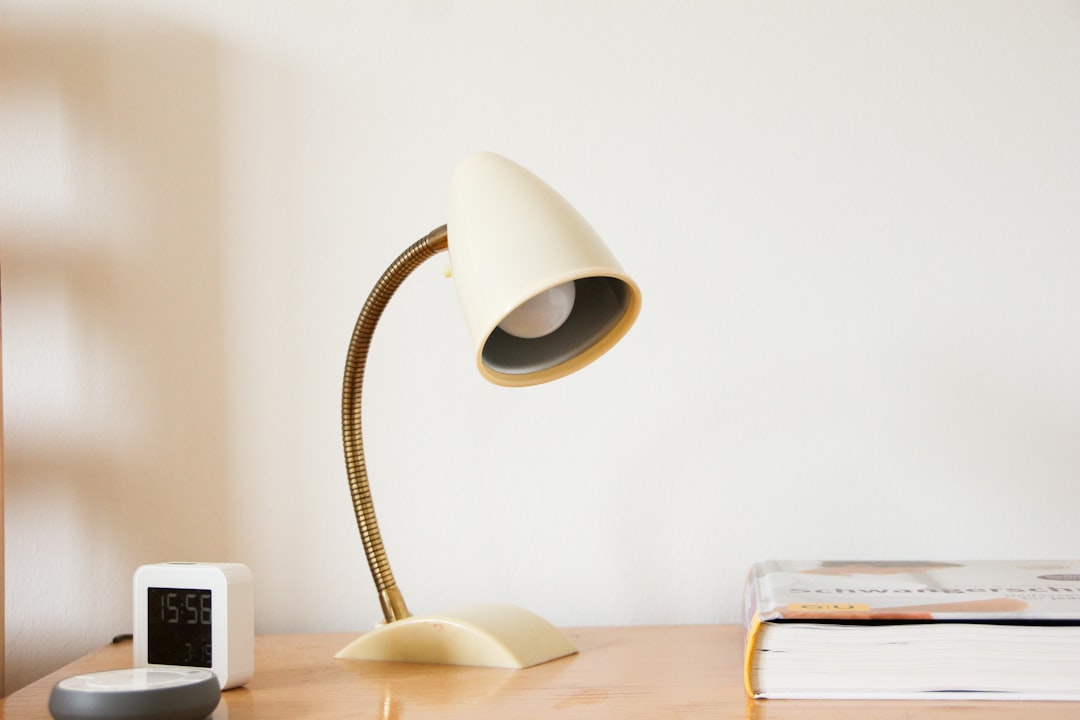
- Task-Oriented Functionality: Lamps with adjustable arms, swing arms, or flexible goosenecks offer a high degree of control over light direction. These are particularly popular for reading or detailed tasks. The articulation points are crucial, with smooth, stable movement being a sign of quality.
Scale and Proportion
The size of a bedside lamp should be appropriate for the bedside table and the overall scale of the bedroom.
- Balance: A lamp that is too large can overpower a small nightstand and appear visually unbalanced. Conversely, a lamp that is too small may look insignificant and fail to provide adequate illumination. The shade should generally be wider than the widest part of the base, and the height should complement the surrounding furniture.
- Visual Weight: The perceived “weight” of a lamp’s design, influenced by its materials and form, also plays a role in its proportional balance. A heavy, dark material might require a more substantial form to avoid appearing top-heavy.
Lighting Quality and Performance
Beyond dimming and color temperature, the intrinsic quality of the light produced by a bedside lamp is paramount for eye comfort and visual clarity.
Light Source Technology
The evolution of light sources has profoundly impacted lamp design and performance.
LED Technology
- Energy Efficiency: Light Emitting Diodes (LEDs) are the standard in high-quality modern lighting due to their significantly lower energy consumption compared to incandescent or halogen bulbs. This translates into reduced electricity bills and a smaller environmental footprint.
- Longevity: LEDs have an exceptionally long lifespan, often lasting tens of thousands of hours. This means fewer bulb replacements and a lower long-term cost of ownership. They are like a marathon runner in the world of illumination, capable of sustained effort over vast distances.
- Instant On: Unlike some older lighting technologies, LEDs provide instant illumination at full brightness without any warm-up period.
- Heat Dissipation: High-quality LEDs are designed with efficient heat sinks to manage the heat generated, preventing damage to the lamp components and ensuring optimal performance. A poorly designed LED can have a short lifespan due to overheating.
Integrated vs. Replaceable Bulbs
- Integrated LEDs: Many contemporary designer lamps feature integrated LED modules. This allows for a more streamlined design, as there is no need for a traditional bulb socket. However, when the LED eventually fails, the entire lamp unit may need to be replaced unless it is designed for repair.
- Replaceable Bulbs: Lamps designed to accept standard bulbs (e.g., E26/E27 base) offer greater flexibility for users to choose their preferred bulb type and wattage, as well as to replace a burnt-out bulb easily. This offers a degree of future-proofing.
Color Rendering Index (CRI)
The CRI measures how accurately a light source reveals the true colors of objects. A high CRI is essential for a true-to-life visual experience.
- High CRI (90+): A lamp with a CRI of 90 or higher will render colors faithfully, making them appear vibrant and natural. This is especially important for bedside lamps used for reading or applying makeup, where accurate color perception is crucial. Poor CRI can make colors appear dull or distorted, like viewing the world through a muted veil.
- Low CRI: Lamps with low CRI can make colors appear washed out or inaccurate, impacting the overall aesthetic of the room and potentially leading to misperceptions of object appearance.
Glare and Flicker
Excessive glare or noticeable flicker can cause eye strain, headaches, and disrupt sleep patterns.
- Glare Control: A well-designed shade effectively diffuses light and directs it downwards, minimizing direct exposure to the light source. Diffusers, opaque shades, or strategically placed baffles help to soften and control glare.
- Flicker-Free Operation: High-quality LED drivers are designed to eliminate perceptible flicker. This is crucial for visual comfort, especially during extended periods of use. Unwanted flicker can be akin to a skipping record, constantly drawing one’s attention and causing discomfort.
Technical Specifications and Construction
Beyond aesthetics and light quality, the underlying engineering and construction of a bedside lamp contribute to its longevity and performance.
Electrical Safety and Certifications
Ensuring a lamp meets established safety standards is a non-negotiable aspect of high-quality design.
- UL, CE, RoHS Compliance: Look for certifications from reputable safety organizations like Underwriters Laboratories (UL) in North America, or CE marking in Europe. RoHS (Restriction of Hazardous Substances) compliance indicates that the product does not contain certain harmful materials. These certifications act as a mark of diligence and adherence to rigorous standards.
- Quality Wiring and Components: High-quality lamps utilize durable wiring, robust switches, and well-constructed electrical components that are designed to withstand regular use and prevent electrical hazards.
Materials Durability and Finish
The long-term visual appeal and structural integrity of a lamp depend on the quality of its materials and the durability of its finish.
- Corrosion Resistance: Metal components should be treated to resist corrosion, especially in humid environments. Finishes should be applied uniformly and be resistant to chipping or scratching during normal use.
- Scratch Resistance: For surfaces that are likely to come into contact with other objects (e.g., the base of the lamp on a bedside table), scratch-resistant finishes offer greater longevity and maintain the lamp’s aesthetic appeal over time.
Stability and Weight
A lamp should be stable and not prone to tipping over, especially in a bedroom environment where it might be bumped.
- Weighted Base: A sufficiently weighted base, often achieved by incorporating dense materials or a wider footprint, provides stability. This prevents the lamp from being easily knocked over, offering a sense of security.
- Non-Slip Feet: Rubber or felt feet on the base of the lamp can prevent it from sliding on smooth surfaces and also protect the bedside table from scratches.
Maintenance and Longevity
A truly high-quality bedside lamp is designed to last and to be maintained with relative ease.
Ease of Cleaning
The design should facilitate simple cleaning without requiring specialized tools or techniques.
- Accessible Surfaces: Smooth surfaces and minimal intricate nooks and crannies make dusting and wiping down the lamp straightforward. Materials that are easily cleaned with a damp cloth are preferred.
- Removable Shades: Shades that can be easily removed for separate cleaning are a practical consideration.
Bulb Replacement and Repair
The ability to replace the light source and, ideally, to repair components ensures the lamp’s continued usability.
- Standard Bulb Bases: As mentioned previously, lamps with standard bulb bases offer straightforward bulb replacement.
- Modular Design: Some higher-end lamps may have a more modular design, allowing for the replacement of specific components like the power cord or switch if they fail, rather than requiring the entire unit to be discarded. This approach reflects a commitment to sustainability and longevity.
Long-Term Performance
A well-chosen bedside lamp should maintain its aesthetic appeal and functional performance over many years.
- Color Fastness: Finishes and materials should resist fading or discoloration with exposure to light and time.
- Mechanical Durability: Hinges, joints, and adjustments on articulated lamps should remain smooth and secure over time, without becoming loose or stiff. This is the mark of components that have been precisely engineered and built to last.
In conclusion, a “Designer’s Choice” high-quality bedside lamp is a synthesis of thoughtful design, superior materials, and advanced technology. It transcends basic illumination to become an integral element of the bedroom’s comfort, functionality, and aesthetic, providing a reliable and pleasing experience for years to come.