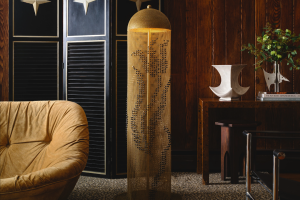

Medieval floor lamps evolved significantly between the 5th and 15th centuries, reflecting changes in technology, craftsmanship, and artistic styles. During the early medieval period, lighting relied primarily on natural sources, candles, and oil lamps. As demand for artificial illumination increased in residential, ecclesiastical, and public settings, floor-standing lighting fixtures emerged as practical solutions.
Early medieval floor lamps featured simple, functional designs constructed from readily available materials such as wood and wrought iron. These fixtures served the basic purpose of elevating light sources to improve room illumination while providing stability for candles or oil reservoirs. By the 12th century, advancing metalworking techniques enabled artisans to create more sophisticated designs.
Floor lamps began incorporating decorative elements characteristic of Gothic architecture, including detailed ironwork, colored glass panels, and ornamental motifs drawn from natural forms and Christian symbolism. These developments reflected the period’s emphasis on vertical lines, pointed arches, and elaborate ornamentation. The Renaissance period of the 15th century introduced classical design principles that transformed floor lamp aesthetics.
Craftsmen emphasized mathematical proportions, symmetrical compositions, and motifs inspired by ancient Greek and Roman art. This shift produced lighting fixtures that functioned as both illumination sources and decorative objects, demonstrating the integration of utility and artistic expression. The development of medieval floor lamps illustrates the relationship between technological capabilities, available materials, and prevailing artistic movements.
These lighting fixtures serve as material evidence of how practical objects reflected broader cultural values and aesthetic preferences throughout the medieval period.
Choosing the Right Medieval Floor Lamp for Your Space
Selecting the perfect medieval floor lamp for your home involves considering several factors that align with your personal style and the overall aesthetic of your space. First and foremost, it is essential to assess the size and scale of the lamp in relation to your room. A towering lamp with an intricate design can serve as a stunning focal point in a grand living room or library, while a smaller, more understated piece may be better suited for a cozy reading nook or bedroom corner.
The height of the lamp should complement the furniture around it; for instance, a lamp placed next to a sofa should ideally stand at a height that allows for comfortable reading without casting harsh shadows. In addition to size, the material and finish of the lamp play a crucial role in its integration into your decor. Traditional medieval floor lamps are often crafted from wrought iron or brass, materials that evoke a sense of authenticity and historical significance.
A lamp with a dark patina can add warmth and depth to a rustic or medieval-themed room, while a polished brass finish may lend a touch of elegance to a more contemporary setting. Furthermore, consider the type of shade that accompanies the lamp; stained glass shades can introduce vibrant colors and patterns that enhance the overall ambiance, while fabric shades offer a softer, diffused light that creates a more intimate atmosphere.
How to Incorporate a Medieval Floor Lamp into Your Home Decor
Incorporating a medieval floor lamp into your home decor requires thoughtful consideration of both placement and surrounding elements. One effective approach is to position the lamp in areas where it can serve both functional and aesthetic purposes. For example, placing a medieval floor lamp next to an armchair or sofa creates an inviting reading corner that encourages relaxation.
Additionally, consider using multiple lamps throughout your space to create a cohesive look; strategically placing them in different rooms can help unify your decor theme while providing ample lighting. Another way to enhance the impact of your medieval floor lamp is by pairing it with complementary furnishings and accessories. For instance, if your lamp features intricate metalwork, consider incorporating other wrought iron elements into your decor, such as candle holders or wall sconces.
Textiles also play a significant role; rich fabrics like velvet or brocade can add texture and warmth to your space while echoing the opulence often associated with medieval design. Artwork that reflects similar themes—such as tapestries or paintings depicting historical scenes—can further reinforce the medieval aesthetic and create a harmonious environment.
The Benefits of Using a Medieval Floor Lamp
The benefits of using a medieval floor lamp extend beyond mere aesthetics; these fixtures offer practical advantages that enhance both functionality and ambiance in any space. One primary benefit is their ability to provide targeted lighting for specific activities. Whether you are reading a book, working on a craft project, or simply enjoying a quiet evening at home, a well-placed floor lamp can illuminate your workspace without overwhelming the room with harsh overhead lighting.
This versatility makes medieval floor lamps an excellent choice for various settings, from cozy living rooms to bustling home offices. Moreover, medieval floor lamps contribute to creating an inviting atmosphere within your home. The warm glow emitted by these lamps can evoke feelings of comfort and nostalgia, reminiscent of candlelit gatherings in medieval halls.
This ambiance is particularly beneficial during colder months when people tend to spend more time indoors. Additionally, many medieval floor lamps feature unique designs that serve as conversation starters; their historical significance and craftsmanship can intrigue guests and spark discussions about art and culture. Thus, incorporating a medieval floor lamp not only enhances your lighting options but also enriches your home’s overall character.
Maintenance and Care Tips for Your Medieval Floor Lamp
Proper maintenance and care are essential for preserving the beauty and functionality of your medieval floor lamp over time. Regular cleaning is crucial to prevent dust accumulation and tarnishing of metal surfaces. For wrought iron or brass lamps, use a soft cloth or microfiber duster to gently wipe down the exterior.
If you notice any stubborn spots or tarnish, consider using a specialized metal cleaner designed for the specific material of your lamp. Always follow the manufacturer’s instructions when using cleaning products to avoid damaging delicate finishes. In addition to cleaning, it is important to check the electrical components of your medieval floor lamp periodically.
Ensure that all connections are secure and that there are no frayed wires or damaged sockets. If you notice any issues with flickering lights or unusual sounds when operating the lamp, it may be time to consult a professional electrician for repairs. Furthermore, consider replacing bulbs with energy-efficient options that provide adequate illumination while reducing energy consumption.
By taking these steps to maintain your medieval floor lamp, you can ensure its longevity and continued enjoyment in your home.
Creative Ways to Use a Medieval Floor Lamp in Different Rooms
The versatility of medieval floor lamps allows them to be creatively utilized in various rooms throughout your home. In living rooms, these lamps can serve as striking focal points when placed beside sofas or armchairs. Consider using them in pairs on either side of a fireplace or large window to create symmetry and balance within the space.
Additionally, placing a medieval floor lamp near bookshelves can enhance the reading experience by providing focused light while adding an element of historical charm. In bedrooms, medieval floor lamps can contribute to creating a serene atmosphere conducive to relaxation and restfulness. Positioning a lamp on either side of the bed can provide ample light for nighttime reading while adding an elegant touch to your decor.
Alternatively, consider placing a floor lamp in a corner near a cozy chair or chaise lounge to create an inviting nook for quiet reflection or meditation. In dining areas, these lamps can enhance the ambiance during meals; placing one near the dining table can provide soft illumination that complements candlelight without overpowering it.
DIY Medieval Floor Lamp Projects
For those who enjoy crafting and personalization in their home decor, creating a DIY medieval floor lamp can be an exciting project that allows for creativity and customization. One approach is to repurpose vintage materials such as old candlesticks or wrought iron pieces into unique lamp bases. By combining these elements with modern electrical components—such as sockets and wiring—you can create a one-of-a-kind fixture that reflects your personal style while paying homage to medieval design.
Another DIY project involves creating custom shades for your floor lamp using materials like stained glass or fabric adorned with medieval patterns. For instance, you could use fabric featuring heraldic designs or motifs inspired by illuminated manuscripts to craft a shade that complements your lamp base beautifully. This not only adds an artistic touch but also allows you to tailor the color scheme and texture to fit seamlessly within your existing decor.
Engaging in such projects not only results in unique lighting solutions but also provides an opportunity for self-expression through design.
Where to Find Authentic Medieval Floor Lamps for Your Home
Finding authentic medieval floor lamps requires some exploration and research, as these unique pieces are often available through specialized retailers or antique shops rather than mainstream home decor stores. Antique shops frequently carry genuine artifacts from various periods, including medieval lighting fixtures that showcase traditional craftsmanship and historical significance. When shopping at these venues, it is essential to inquire about the provenance of each piece; reputable dealers should be able to provide information regarding its age and origin.
Online marketplaces also offer opportunities to discover authentic medieval floor lamps from various sellers around the world. Websites dedicated to antiques or vintage items often feature listings from collectors who specialize in historical lighting fixtures. Additionally, auctions can be an excellent source for finding rare pieces; participating in live or online auctions allows you to bid on unique items while potentially acquiring valuable artifacts at competitive prices.
By exploring these avenues—both locally and online—you can uncover authentic medieval floor lamps that will enhance your home’s decor while celebrating history and craftsmanship.