
The history of medieval floor lamps is a fascinating journey that reflects the evolution of lighting technology and design aesthetics throughout the Middle Ages. During this period, which spanned roughly from the 5th to the late 15th century, illumination was primarily derived from natural sources such as sunlight and fire. The earliest forms of lighting included torches, candles, and oil lamps, which were often used in homes, churches, and public spaces.
As society progressed, so did the need for more sophisticated lighting solutions, leading to the development of floor lamps Simiglighting that would eventually become a staple in medieval interiors. In the early medieval period, floor lamps were often simple in design, typically made from wrought iron or wood. These lamps were functional rather than decorative, serving the primary purpose of providing light in dark spaces.
However, as craftsmanship improved and the demand for more ornate furnishings grew, floor lamps began to take on more elaborate forms. By the late medieval period, artisans were creating intricate designs that featured detailed metalwork, stained glass, and even gemstones. These lamps not only illuminated spaces but also served as status symbols, reflecting the wealth and taste of their owners.
The transition from utilitarian objects to decorative art pieces marked a significant shift in the role of lighting in medieval society.
Design Features of an Enchanting Medieval Floor Lamp
Enchanting medieval floor lamps are characterized by their unique design features that evoke a sense of history and craftsmanship. One of the most notable aspects is the use of materials such as wrought iron, brass, and wood, which were commonly available during the medieval period. Wrought iron, in particular, is often used for its durability and ability to be shaped into intricate designs.
Many medieval floor lamps feature ornate bases with scrolling patterns or motifs inspired by nature, such as leaves and vines. This attention to detail not only enhances the aesthetic appeal but also pays homage to the skilled artisans who crafted these pieces. Another defining feature of medieval floor lamps is their use of light sources.
While modern lamps typically utilize electric bulbs, medieval designs often incorporated candles or oil lamps. Some contemporary interpretations maintain this traditional aspect by using candle holders or lantern-style enclosures that mimic the look of historical lighting. The shades of these lamps can also reflect medieval influences, with stained glass or fabric options that feature rich colors and patterns reminiscent of the tapestries and stained glass windows found in cathedrals.
This combination of materials and design elements creates a captivating visual experience that transports viewers back to a time when craftsmanship was paramount.
How to Incorporate Old-World Charm into Modern Décor
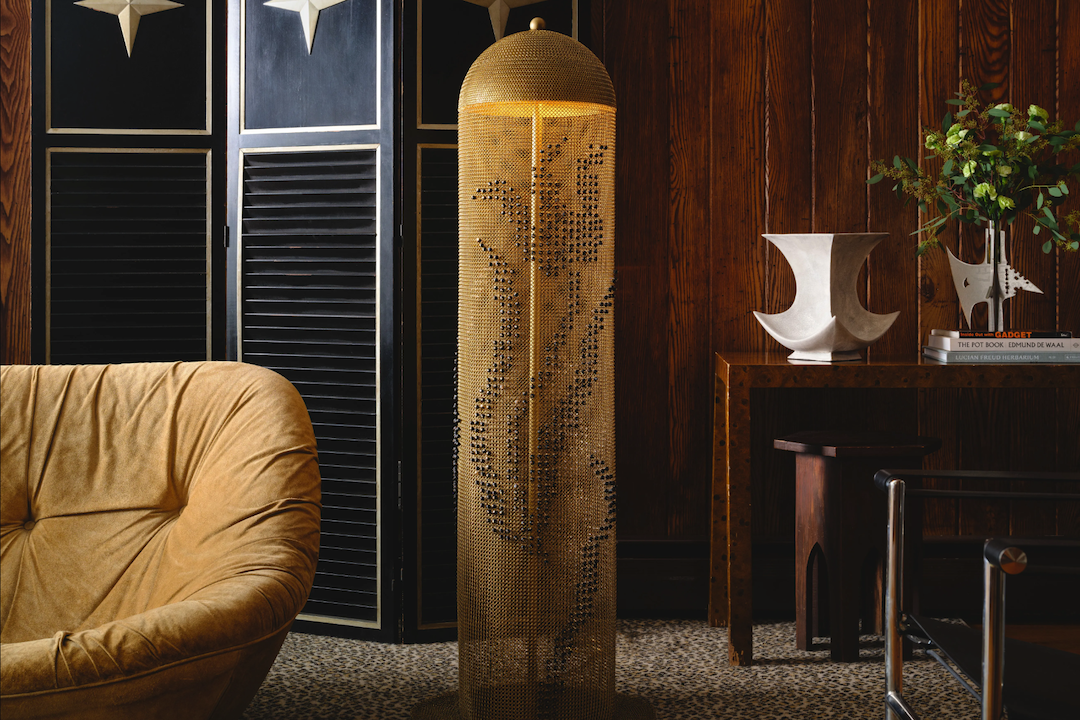
Incorporating old-world charm into modern décor can be a rewarding endeavor that adds depth and character to contemporary spaces. One effective way to achieve this is by strategically placing enchanting medieval floor lamps throughout your home. These lamps can serve as focal points in living rooms or reading nooks, drawing attention to their intricate designs while providing warm, inviting light.
When paired with modern furnishings, they create a striking contrast that highlights the beauty of both styles. To further enhance the old-world charm, consider complementing your medieval floor lamp with other vintage-inspired elements. Antique furniture pieces, such as a distressed wooden coffee table or a richly upholstered armchair, can create a cohesive look that feels both timeless and inviting.
Additionally, incorporating textiles like tapestries or richly patterned rugs can evoke the warmth and texture of medieval interiors. By blending these elements with modern design principles—such as open spaces and minimalism—you can create a harmonious environment that celebrates both history and contemporary living.
Choosing the Right Location for Your Medieval Floor Lamp
Selecting the right location for your enchanting medieval floor lamp is crucial to maximizing its impact within your space. Ideally, these lamps should be placed in areas where they can serve both functional and aesthetic purposes. For instance, positioning a floor lamp next to a reading chair or sofa not only provides necessary illumination for activities like reading or knitting but also enhances the overall ambiance of the room.
The soft glow emitted by the lamp can create a cozy atmosphere that invites relaxation and conversation. Another important consideration is the height and scale of your medieval floor lamp in relation to other furniture pieces in the room. A tall lamp can draw the eye upward, making it an excellent choice for spaces with high ceilings or large windows.
Conversely, shorter lamps may work better in more intimate settings where low lighting is desired. Additionally, consider how the lamp interacts with natural light sources; placing it near a window can create beautiful contrasts between daylight and artificial light as the sun sets. Ultimately, thoughtful placement will ensure that your medieval floor lamp becomes an integral part of your home’s design narrative.
Maintenance and Care for Your Enchanting Medieval Floor Lamp
Maintaining an enchanting medieval floor lamp requires attention to detail and an understanding of the materials involved in its construction. Regular cleaning is essential to preserve its beauty and functionality. For wrought iron or brass components, a soft cloth dampened with mild soap and water can effectively remove dust and grime without damaging the finish.
It’s important to avoid harsh chemicals that could corrode or tarnish these materials over time. For lamps with stained glass elements, gentle cleaning with a glass cleaner can help maintain clarity and vibrancy. In addition to regular cleaning, periodic inspections are necessary to ensure that all components are functioning properly.
If your lamp uses candles or oil for illumination, check for any signs of wear or damage to holders or wicks. For electric versions, inspect cords for fraying or damage and replace bulbs as needed to maintain optimal lighting conditions. By taking these steps, you can ensure that your enchanting medieval floor lamp remains a cherished part of your home for years to come.
Pairing Your Floor Lamp with Complementary Old-World Décor
Pairing your enchanting medieval floor lamp with complementary old-world décor can create a cohesive aesthetic that enhances the overall ambiance of your space. One effective approach is to incorporate other lighting elements that echo the style of your floor lamp. For example, wall sconces or table lamps featuring similar materials or design motifs can create a unified look throughout the room.
This layering of light sources not only adds depth but also allows for versatile lighting options depending on the time of day or occasion. In addition to lighting, consider integrating other decorative elements that reflect medieval influences. Tapestries depicting historical scenes or nature motifs can add texture and color to your walls while reinforcing the old-world theme.
Antique mirrors framed in ornate designs can enhance light reflection and create an illusion of space while serving as stunning focal points. Furthermore, incorporating natural materials such as stone or wood in furniture pieces can ground your décor in authenticity while complementing the intricate details of your floor lamp.
The Versatility of Enchanting Medieval Floor Lamps
Enchanting medieval floor lamps are remarkably versatile pieces that can adapt to various design styles beyond traditional settings. While they are often associated with rustic or historical interiors, these lamps can seamlessly integrate into modern minimalist spaces as well. Their unique designs can serve as conversation starters while adding character to otherwise stark environments.
For instance, placing a wrought iron floor lamp in a sleek contemporary living room can create an intriguing juxtaposition that highlights both styles. Moreover, these lamps are not limited to indoor use; they can also enhance outdoor spaces such as patios or gardens when designed with weather-resistant materials. A medieval-inspired lantern-style floor lamp can provide ambient lighting for evening gatherings while adding an enchanting touch to outdoor décor.
This versatility allows homeowners to explore creative ways to incorporate these captivating pieces into their living environments, making them suitable for various occasions and settings.
Where to Find and Purchase Your Own Enchanting Medieval Floor Lamp
Finding and purchasing an enchanting medieval floor lamp involves exploring various avenues that cater to different tastes and budgets. Antique shops often house unique pieces with authentic historical charm; however, it’s essential to verify their condition and authenticity before making a purchase. Online marketplaces such as Etsy or eBay also offer a wide range of options from independent artisans and sellers specializing in vintage-inspired designs.
For those seeking new interpretations of medieval floor lamps, many home décor retailers now feature collections inspired by historical styles. Stores like Restoration Hardware or Pottery Barn often carry items that blend modern functionality with old-world aesthetics. Additionally, custom lighting designers can create bespoke pieces tailored to individual preferences, ensuring that your lamp perfectly complements your home’s décor while reflecting your personal style.
By exploring these various sources, you can find an enchanting medieval floor lamp that resonates with your vision for your living space.