
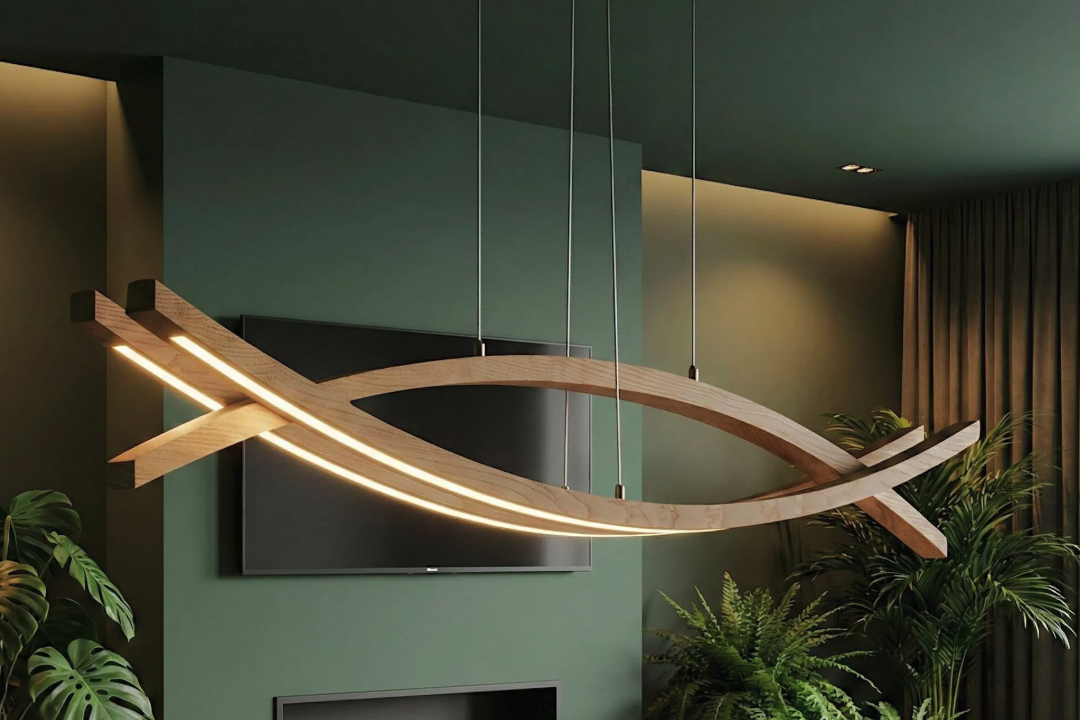
Wabi-sabi is all about finding beauty in imperfection and the natural cycle of growth and decay. An aged brass linear chandelier, with its evolving patina and understated elegance, embodies this philosophy perfectly, bringing warmth, character, and a touch of grounded sophistication to your space.
Why Aged Brass? It’s More Than Just a Material
Aged brass isn’t just a finish; it’s a living material. Unlike polished brass that gleams relentlessly, aged brass carries the marks of time – subtle darkening, slight variations in tone, and an evolving patina that deepens with age and exposure. This isn’t damage; it’s character, a story etched into the metal. When you choose an aged brass linear chandelier, you’re not just buying a light Wogandesign fixture; you’re investing in a piece that will age gracefully alongside your home, becoming more beautiful and nuanced with every passing year.
The Allure of Patina
Patina is that gorgeous, subtle film that develops on metals like brass over time. It’s not rust, but rather a protective layer that forms through oxidation. Think of it like the natural evolution of the material, a unique fingerprint that can never be replicated exactly. This organic process is at the heart of wabi-sabi – appreciating the beauty of natural change.
A Nod to History and Craft
Aged brass has a timeless quality. It often evokes a sense of history, of classic design, and skilled craftsmanship. Even a brand-new aged brass piece can carry this feeling, thanks to its deliberately unpolished and authentic appearance.
The Wabi-Sabi Ethos in Lighting Design
Wabi-sabi isn’t about stark minimalism or grand opulence. It’s about finding beauty in the unassuming, the authentic, and the imperfect. An aged brass linear chandelier, by its very nature, aligns beautifully with this philosophy, offering a refreshing alternative to overly polished or mass-produced aesthetics.
Embracing Imperfection
No two aged brass linear chandeliers will ever be exactly alike. The natural aging process, even if accelerated for a new fixture, ensures unique variations in tone and texture. These “imperfections” are what make it special, differentiating it from sterile, factory-perfect alternatives.
Simplicity and Understated Elegance
Wabi-sabi often champions simplicity. A linear chandelier, with its clean lines and focused illumination, embodies this. When crafted from aged brass, this simplicity gains depth and warmth without needing ornate details or excessive embellishment. The material itself provides the visual interest.
Connecting with Nature
The organic evolution of aged brass connects us to natural processes. It’s a subtle reminder of the world beyond our walls, reflecting the beauty found in the natural world’s own cycles of change and maturation.
Practical Considerations for Your Aged Brass Chandelier
Beyond its aesthetic appeal, an aged brass linear chandelier offers practical advantages and requires a bit of thought during selection and installation.
Sizing It Up: The Right Fit for Your Space
Getting the scale right is crucial. A linear chandelier is often chosen for longer spaces like dining tables, kitchen islands, or hallways.
- Dining Tables: The chandelier should typically be about two-thirds to three-quarters the length of your dining table. This ensures balanced lighting without overwhelming the table or feeling too small.
- Kitchen Islands: Similar to dining tables, aim for a length that complements the island, leaving ample space at either end. Consider the visual weight; a very thick or wide chandelier might feel too heavy over a narrower island.
- Hallways: For long hallways, a series of smaller linear fixtures or one longer, more slender design can work well to provide continuous light and draw the eye down the space.
Hanging Height: Where to Position It
Proper hanging height is essential for both aesthetics and functionality.
- Over Dining Tables: A good rule of thumb is to hang the bottom of the chandelier approximately 30-36 inches above the tabletop. This allows for clear conversation without obstruction and provides effective task lighting. Adjust slightly based on ceiling height and personal preference.
- Over Kitchen Islands: For islands, aim for a similar height range, ensuring it doesn’t impede the view or bump into anyone’s head while working. If your island has stools, make sure the light source doesn’t glare into the eyes of those seated.
- General Headroom: Always consider the tallest person who will regularly be in the space. You don’t want a beautiful fixture that’s constantly a hazard.
Illumination Needs: Beyond the Glow
Think about the light output you need. Linear chandeliers are great for task lighting over surfaces.
- Dimmers are Your Friend: Seriously, don’t skip a dimmer switch. It transforms the functionality of your chandelier, allowing you to create bright task lighting for meal prep or homework, and then dim it down for a softer, ambient mood during dinner or relaxation.
- Bulb Type and Temperature: Consider LED bulbs for energy efficiency and longevity. For aged brass, warmer color temperatures (2700K-3000K) often complement the rich tones of the metal better than cooler, bluer light. Exposed filament bulbs can also add to the wabi-sabi aesthetic, offering a vintage, inviting glow.
Integrating Aged Brass into Your Home Decor
An aged brass linear chandelier isn’t just a light source; it’s a design statement. How you integrate it can amplify its wabi-sabi appeal and the overall feel of your room.
Complementing Other Materials
Aged brass is incredibly versatile and pairs beautifully with a range of other materials, enhancing a wabi-sabi aesthetic.
- Natural Woods: Think unfinished or lightly stained oak, walnut, or teak. The warmth of the brass harmonizes with the organic textures and tones of wood, creating a grounded, natural feel.
- Linen and Other Textiles: Soft, textured fabrics like linen, raw silk, or wool add comfort and a tactile dimension that contrasts nicely with the solid brass.
- Ceramics and Stoneware: Hand-thrown pottery, rough-hewn stone countertops, or even a simple stone vase will resonate with the authentic, imperfect nature of aged brass.
- Concrete and Plaster: For a more minimalist wabi-sabi approach, aged brass stands out against the cool, raw textures of concrete or subtly uneven plaster walls, bringing warmth to these starker surfaces.
Creating Visual Balance
A linear chandelier naturally draws the eye. Use this to your advantage to create balance in your space.
- Counterpoint with Softness: If your chandelier has strong, clean lines, balance it with softer elements elsewhere in the room – perhaps a round rug, organic-shaped vases, or plush seating.
- Echoing Textures: You don’t need to match every piece of metal. Instead, echo the texture or feel of the aged brass in other elements. This could be a vintage ceramic bowl with a slightly rough glaze, or a piece of furniture with a subtly distressed finish.
Beyond the Dining Room: Versatile Placement
While a natural fit for dining areas, linear chandeliers can shine in other parts of the home.
- Kitchen Islands: As mentioned, they provide excellent task lighting and a focal point.
- Home Offices: Positioned over a large desk or work surface, they offer focused illumination and a touch of sophisticated design.
- Hallways and Entryways: A longer, narrower linear chandelier can guide the eye and add interest to these transitional spaces.
- Billiards Rooms: The classic linear design is perfect for illuminating a pool table.
Caring for Your Aged Brass Chandelier
The beauty of aged brass, particularly in a wabi-sabi context, is that it doesn’t demand constant polishing. In fact, encouraging its natural evolution is part of the appeal.
Embrace the Patina
Unlike polished brass which is often meticulously maintained to prevent tarnishing, the charm of aged brass lies in its developing patina. Don’t fight it; embrace it. Each mark and darkening is part of its unique story.
Gentle Cleaning is Key
While you don’t want to polish away the patina, occasional gentle cleaning is still necessary to remove dust and grime.
- Dry Dusting: The simplest and most frequent cleaning method is a soft, dry microfiber cloth. This prevents dust buildup that can dull the finish over time.
- Damp Cloth (Sparingly): If there’s a stubborn smudge or light grime, slightly dampen a microfiber cloth with plain water (no harsh chemicals!). Wipe gently and then immediately dry with a separate, clean, dry cloth to prevent water spots.
- Avoid Harsh Cleaners: Steer clear of abrasive cleaners, brass polish, or chemical sprays. These will strip the intentional aged finish and can create an uneven, undesirable look.
- Handle with Care: When cleaning, try to handle the metal as little as possible to avoid transferring oils from your hands, which can sometimes accelerate or alter the patina in specific spots.
Protecting the Finish (if desired)
Some aged brass fixtures come with a very light sealant to slow down the patina process slightly. If yours does, or if you apply one (though generally not recommended for true wabi-sabi appeal), be sure to follow the manufacturer’s specific care instructions. For the most authentic wabi-sabi experience, let nature take its course.
The Enduring Appeal of Wabi-Sabi and Aged Brass
In a world often driven by perfection and fleeting trends, the wabi-sabi philosophy, beautifully embodied by an aged brass linear chandelier, offers a refreshing pause. It encourages us to slow down, appreciate the natural process of things, and find profound beauty in the humble, the authentic, and the perfectly imperfect.
A Timeless Aesthetic
Aged brass isn’t a trend; it’s a classic. Its ability to age gracefully means it won’t look dated in a few years. Instead, it will continue to deepen in character, becoming an even more cherished part of your home.
Investing in Character, Not Just an Object
When you choose an aged brass linear chandelier, you’re not just selecting a lighting fixture. You’re bringing a piece of evolving art into your home, one that will gather history and beauty with every passing day, reflecting a mindful and appreciative approach to design and living. This isn’t about chasing the latest fad; it’s about investing in enduring quality and a quiet, profound elegance.