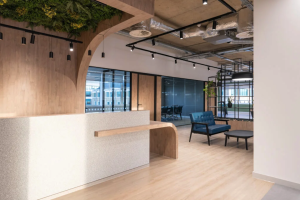

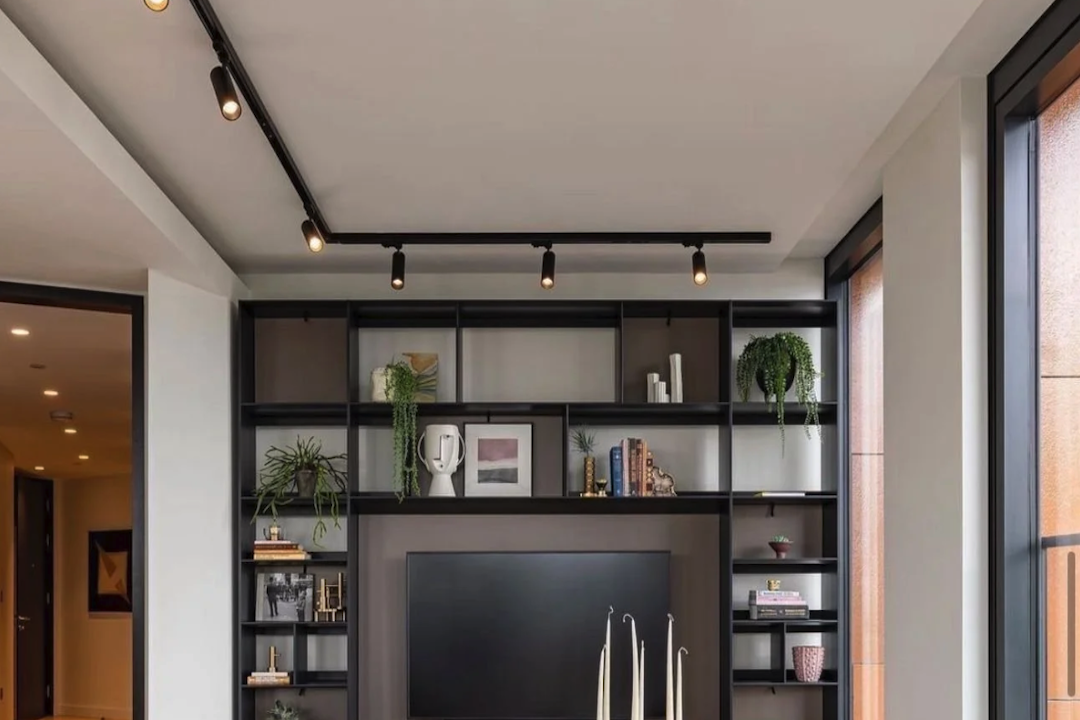
Okay, let’s talk about flexible track lights for commercial spaces. Essentially, they’re a fantastic solution when you need adaptable lighting that can change with your business needs. Unlike fixed light fixtures, track lights allow you to easily reposition, add, or remove light heads along a track, offering unparalleled versatility. This makes them ideal for retail, galleries, showrooms, and even offices where layouts might shift.
So, why would you choose track lighting over other options? It boils down to adaptability and control.
Future-Proofing Your Lighting
Imagine you meticulously plan your lighting Hozo for a new product display. A few months later, you re-merchandise, and suddenly, your carefully placed spotlights are hitting empty space or casting shadows in the wrong places. With track lighting, that’s not a headache.
- Easy Reconfiguration: You can slide the individual light heads along the track in seconds. No need for an electrician to rewire anything.
- Adapting to Layout Changes: If you move shelves, rearrange furniture, or even put up temporary partitions, your lighting can easily move with them to ensure continuous effective illumination. This saves a lot of time and money in the long run.
Targeted Illumination
Not all parts of a commercial space need the same kind of light. A display cabinet needs a concentrated spot, while a general walkway needs broader ambient light.
- Highlighting Key Areas: Track lights excel at spotlighting specific products, artwork, or architectural features. This draws customer attention exactly where you want it.
- Variable Beam Angles: Many track light heads offer adjustable beam angles, meaning you can change how wide or narrow the light spread is, often without changing the bulb. This is incredibly useful for dynamic environments.
Energy Efficiency Considerations
Modern commercial lighting, including track systems, has come a long way in terms of energy consumption.
- LED Dominance: Most new track lighting systems are designed for LED lamps. LEDs are incredibly energy-efficient, using significantly less power than traditional halogens or incandescents.
- Reduced Heat Output: LEDs also produce very little heat, which can be a real benefit in retail spaces where you might have sensitive products or where heat buildup can drive up air conditioning costs.
Types of Track Systems
When you’re looking at flexible track lighting, you’ll encounter a few different system types. Understanding these will help you choose the right one for your specific needs.
Line Voltage (Standard) Track
This is probably the most common type you’ll come across in commercial settings.
- Power Source: It operates directly from your building’s standard 120V (or 240V, depending on your region) electrical supply.
- Lamp Compatibility: Can accommodate a wide range of light heads and bulb types, though LED is now the standard recommendation.
- Ease of Installation: Relatively straightforward for a qualified electrician to install, as it’s essentially connecting to existing wiring.
- Pros: Robust, widely available, good for general illumination and spotlighting.
- Cons: Can be less flexible in terms of dimmer compatibility without specific dimmable drivers.
Low Voltage Track
Less common for general commercial use, but still has its applications.
- Power Source: Uses a transformer to reduce the voltage (e.g., to 12V or 24V).
- Lamp Compatibility: Typically uses smaller, lower wattage lamps.
- Pros: Can allow for more delicate fixture designs, potentially longer lamp life due to lower heat, safer to handle.
- Cons: Requires a transformer, which adds to cost and complexity. Less powerful illumination than line voltage.
Monorail Systems
While technically a type of track lighting, monorail systems offer a slightly different aesthetic and level of flexibility.
- Aesthetics: Often features a more decorative, slender rail that can be bent and shaped into curves. This provides more design freedom compared to the rigid straightness of standard track.
- Installation: Can be more complex to install due to the bending and custom shaping involved.
- Pros: Highly aesthetic, great for unique architectural spaces, allows for truly custom light paths.
- Cons: More expensive, potentially complex installation, lower load capacity than standard track.
Components of a Track Lighting System
Beyond the basic track, there are several key components that make up a complete track lighting system. Each plays an important role.
The Track Itself
This is the backbone of the system, providing both mechanical support and electrical conductivity.
- Lengths: Available in various standard lengths (e.g., 2 ft, 4 ft, 8 ft) that can be cut to size or joined together.
- Conductors: Inside the track are conductive strips that provide power to the light heads. Most commercial tracks are 1-circuit or 2-circuit. A 2-circuit track allows you to control different groups of lights independently on the same track.
- Mounting Options: Can be surface mounted directly to the ceiling, suspended from the ceiling (using pendants or stems), or recessed into the ceiling for a cleaner look.
Track Heads (Fixtures)
These are the actual light sources that attach to the track.
- Style and Finish: Available in a vast array of styles, shapes, and finishes to match any commercial interior design. From sleek modern cylinders to more traditional bell shapes.
- Lamp Type: Primarily LED, but some older or specialized heads might accommodate halogens or other lamp types.
- Adjustability: Most track heads are highly adjustable, allowing for rotation (360 degrees) and tilting (up to 90 degrees) to precisely aim the light.
- Beam Angle: As mentioned, many offer interchangeable or adjustable beam angles (e.g., narrow spot, wide flood).
Connectors and Accessories
These pieces allow you to build out your track system in complex configurations.
- Straight Connectors: Used to join two pieces of track in a straight line.
- L-Connectors, T-Connectors, X-Connectors: Used to create corners, branches, or intersections in your track layout. These are crucial for adapting to a room’s shape.
- End Caps: Essential for safely terminating the track and covering live electrical contacts.
- Power Feeds: These are how electricity is introduced into the track system. They can be end feeds, canopy feeds (for connecting to a junction box in the ceiling), or live end connectors.
- Suspension Rods/Cables: Used when you want to hang the track lower than the ceiling, often in spaces with high ceilings or for a more stylistic look.
Installation and Placement Considerations
Getting track lighting right isn’t just about picking the components; it’s also about thoughtful installation and placement.
Professional Installation is Key
While the idea of sliding lights onto a track seems simple, the initial installation of the track itself is an electrical job and should always be handled by a qualified electrician.
- Safety First: Dealing with mains voltage requires expertise to prevent electrical hazards.
- Proper Wiring: Ensuring correct connections, grounding, and adequate power supply for the load of all fixtures.
- Code Compliance: Electricians will ensure the installation meets all local electrical codes and regulations.
Planning Your Layout
Before anything goes up, a good plan is essential. Think about the purpose of your lighting.
- Lighting Zones: Divide your space into different zones based on function (e.g., display area, checkout, general walking path). Each zone might require a different level or type of light.
- Fixture Density: Don’t just stick lights everywhere. Consider how many fixtures you realistically need to achieve your desired illumination without over-lighting or creating glare.
- Avoiding Obstructions: Think about existing or planned obstacles like HVAC vents, sprinklers, or structural beams that might interfere with track placement or light aiming.
- Future Flexibility: Design the track layout with potential future changes in mind. If you anticipate reconfiguring your store layout, a slightly longer track or strategically placed connectors can save headaches later.
Mounting Height and Spacing
The height at which your track is mounted and the spacing of your track heads will significantly impact the light quality.
- Ceiling Height: Higher ceilings often require more powerful light heads or a lower suspension of the track to bring the light closer to the focus area.
- Beam Spread: Remember beam angles. A narrow spot will need to be closer to the object it’s highlighting, while a wide flood can be spaced out more.
- Glare Avoidance: Position lights so they don’t shine directly into customers’ or employees’ eyes. This often means aiming them away from direct lines of sight or using anti-glare accessories.
Choosing the Right Track Lights for Your Business
With so many options out there, how do you narrow it down? Focus on your specific needs.
Commercial Application Specifics
Different businesses have different lighting demands.
- Retail Stores: Need flexible spotlights for merchandise, good color rendering (CRI) to make products look true-to-life, and ambient lighting for overall store brightness. Multi-circuit track is great here for controlling different display areas.
- Art Galleries/Museums: Require precise aiming, excellent color rendering (CRI 90+ is often crucial), and often dimmable options to control mood and presentation. Minimizing UV and IR radiation is important for preserving artwork.
- Showrooms (e.g., Car Dealerships): High lumen output and excellent color rendering are key to making products shine. Track can highlight specific features of vehicles or other items.
- Offices/Flex Spaces: While not always the primary lighting, track lights can provide task lighting at workstations, highlight collaborative areas, or illuminate whiteboards. Good for open-plan offices where desk layouts change.
- Restaurants/Hospitality: Can be used for accent lighting over tables, highlighting architectural features, or general ambient lighting in a more modern setting. Dimmable options are a must for setting atmosphere.
Key Specifications to Look For
Don’t get bogged down in every technical detail, but some specs are more important than others for commercial use.
- Lumen Output: This tells you how bright the light head is. You’ll need higher lumens for general area lighting or to illuminate distant objects, and potentially lower lumens for subtle accent lighting.
- Color Temperature (CCT): Measured in Kelvins (K).
- Warm White (2700K-3000K): Creates a cozy, inviting atmosphere, often used in restaurants or boutiques.
- Neutral White (3500K-4000K): Good for general retail, offices, and showrooms as it’s bright and crisp but not harsh.
- Cool White (5000K+): Can feel clinical, sometimes used in workshops or areas needing very high visibility.
- Color Rendering Index (CRI): Indicates how accurately a light source reveals the true colors of objects compared to natural daylight.
- CRI 80+: Generally acceptable for most commercial applications.
- CRI 90+: Highly recommended for retail (especially clothing, cosmetics), art galleries, or anywhere color accuracy is critical.
- Dimming Capability: Crucial for creating different ambiances or adjusting light levels based on natural daylight. Ensure the fixtures and your dimmer switch are compatible (e.g., TRIAC, 0-10V, DALI).
- Longevity/Warranty: Commercial lighting is an investment. Look for products with long stated lifespans (e.g., 50,000+ hours) and a good manufacturer’s warranty.
By focusing on these practical aspects, you can navigate the world of modern commercial flexible track lighting and create an illumination system that truly serves your business now and into the future. It’s a pragmatic choice for businesses that value adaptability and effective spotlighting.