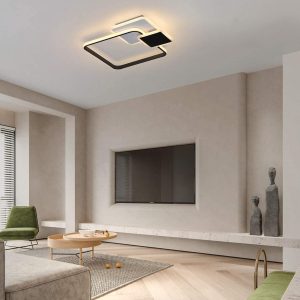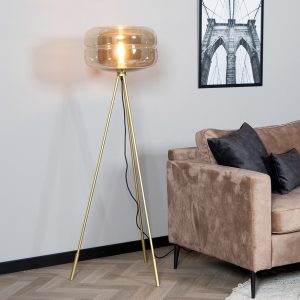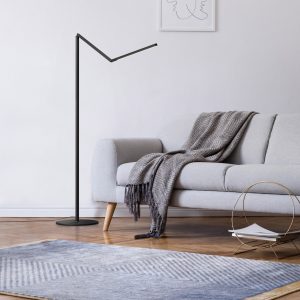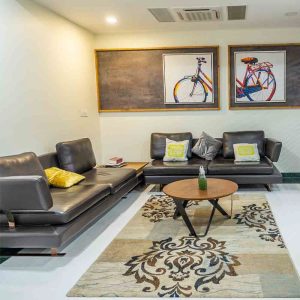

Brushed brass chandelier ceiling lamps offer a distinct aesthetic and functional addition to interior spaces. The brushed finish of the brass provides a subdued sheen, differentiating it from the high reflectivity of polished brass. This material choice, coupled with the chandelier form, can impact both the illumination and the overall design of a room.
The Nature of Brass
Brass is an alloy primarily composed of copper and zinc. Its composition can vary, influencing its color, durability, and resistance to corrosion. In the context of lighting fixtures, brass is selected for its malleability, allowing for intricate designs, and its ability to conduct heat, which is relevant to the longevity of electrical components in a lamp Aijolighting. The metal is naturally warm in tone, contributing to a cozy ambiance.
The Brushed Finish
The brushed finish is achieved through mechanical abrasion of the brass surface. This process removes microscopic imperfections and creates a uniform, matte appearance with subtle linear texture. Unlike polished finishes which reflect light intensely, the brushed surface diffuses light more gently. This characteristic can be perceived as sophisticated and less ostentatious, making it suitable for a range of interior styles. The texture, while discernible, does not typically interfere with the structural integrity of the metal.
Longevity and Maintenance of Brushed Brass
Brushed brass, when properly sealed or lacquered, offers good resistance to tarnishing. The brushed surface can, however, be more susceptible to showing fingerprints and smudges than a polished finish, requiring regular dusting. Cleaning typically involves a soft, dry cloth. For more persistent marks, a mild soap and water solution followed by thorough drying is generally recommended. Avoid abrasive cleaners which can alter the brushed texture. Over time, the finish may develop a patina, a natural oxidation that deepens the color and can be considered desirable by some, adding to the fixture’s character.
Design and Form Factors
Chandelier Archetypes and Brushed Brass
The chandelier, in its various forms, has been a significant element in interior design for centuries. When rendered in brushed brass, traditional chandelier designs can achieve a contemporary feel. The typical structure involves a central stem or body from which arms extend to hold light sources, often adorned with decorative elements.
Traditional Chandeliers
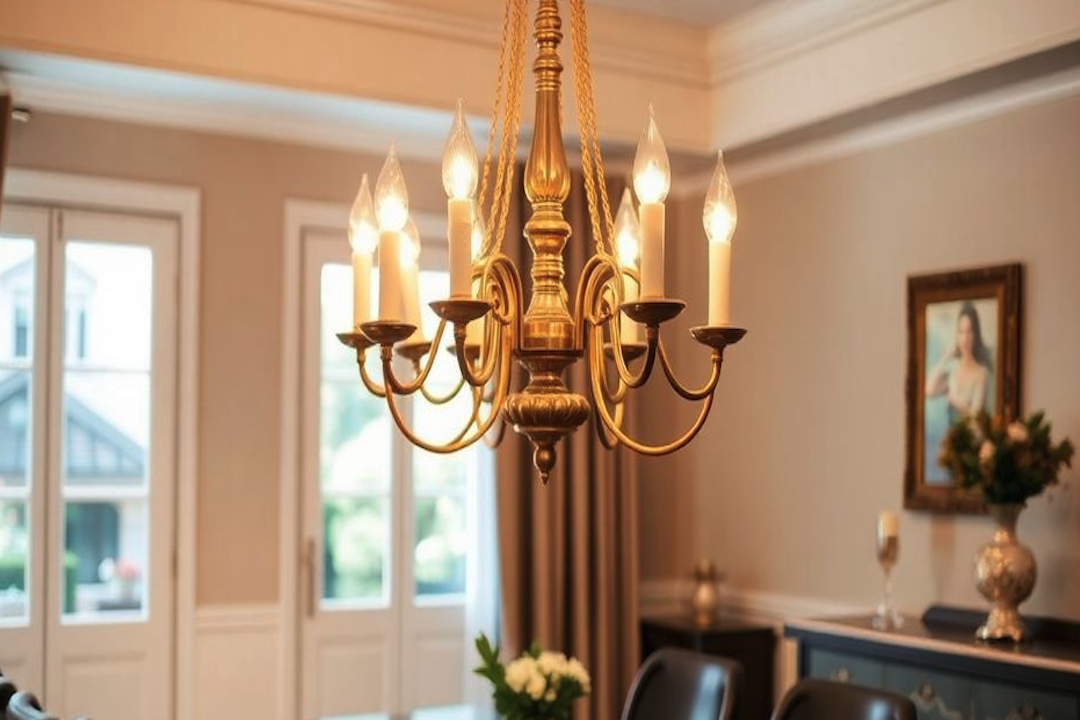
In a traditional chandelier, arms might curve outwards, supporting candlestick-style bulbs or glass shades. When these are crafted from brushed brass, the inherent warmth of the material complements the classic silhouette. The scale of these fixtures can vary significantly, from modest arrangements to grand, multi-tiered statements. The brushed finish lends a softer, more approachable feel to the opulence often associated with traditional chandeliers.
Modern and Contemporary Designs
Modern chandelier designs often explore geometric shapes, clean lines, and minimalist aesthetics. Brushed brass can be employed in these forms to provide a sophisticated contrast. For instance, a linear fixture with multiple arms extending horizontally might be fashioned from brushed brass, offering a sculptural quality. The subdued metallic hue can add visual interest without overwhelming a contemporary space.
Sputnik and Starburst Designs
Popular within modern and mid-century modern aesthetics, Sputnik and starburst chandeliers feature radiating arms that emanate from a central point. When constructed with brushed brass elements, these designs can create a dynamic focal point in a room. The scattered light sources, combined with the warm metallic finish, can contribute to an atmospheric illumination.
Scale and Proportion
The size of a brushed brass chandelier ceiling lamp is a critical consideration for any space. A fixture that is too small can appear insignificant, failing to anchor the room. Conversely, a fixture that is too large can dominate the space, making it feel cramped.
Living Room Considerations
In a living room, the chandelier’s scale should be proportionate to the room’s dimensions and ceiling height. It often serves as a central lighting element and a decorative centerpiece. For standard ceiling heights (around 8-10 feet), a chandelier with a diameter approximately one-third to one-half of the room’s length or width is often recommended. For rooms with higher ceilings, larger or multi-tiered fixtures can be considered. The visual weight of the brushed brass will influence its perceived presence.
Dining Room Applications
The dining room is a classic setting for a chandelier. The primary consideration here is the length of the dining table. A chandelier centrally positioned above the table should generally have a diameter that is slightly smaller than the width of the table, ensuring clearance for movement. Hanging height is also crucial; the bottom of the chandelier should typically be between 28 and 36 inches above the table surface to provide adequate illumination without hindering conversation or visibility across the table. The warm glow of brushed brass can enhance the dining experience.
Bedroom and Hallway Integration
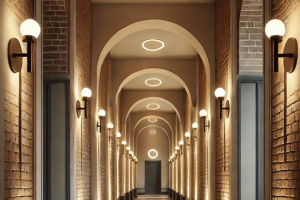
In a bedroom, a brushed brass chandelier can offer a softer, more intimate light than in a living or dining area. Scale is still important, but a more delicate or smaller fixture may be preferred. In hallways, chandeliers can serve as decorative elements that define transitional spaces. Their size should be proportionate to the hall’s width and length, avoiding obstruction of walkways.
Illumination Characteristics
Light Quality and Mood
The way a brushed brass chandelier emits light significantly influences the atmosphere of a room. The metal’s finish and the design of the fixture interact with the light sources to create a particular mood.
Warm vs. Cool Tones
Brushed brass, being a warm-toned metal, naturally complements warm light sources. The use of LED bulbs designed to mimic incandescent light, typically around 2700K to 3000K, will enhance the cozy and inviting qualities of the fixture. Cooler temperature bulbs, while potentially suited for specific modern aesthetics, can sometimes clash with the inherent warmth of brass. The diffuser elements, such as glass shades or crystals, also play a role in shaping the light’s diffusion and color rendering.
Diffusion and Shadow Play
The design of the chandelier dictates how light is diffused. Open designs, where bulbs and arms are easily visible, can create more direct light and interesting shadow patterns on ceilings and walls. Enclosed shades, whether crafted from frosted glass, fabric, or opaque materials, will soften and diffuse light more uniformly, reducing glare. Brushed brass itself, with its matte surface, tends to absorb some light rather than reflect it intensely, leading to a more subdued illumination.
Functionality and Placement
Beyond aesthetics, the functional aspect of illumination is paramount. A brushed brass chandelier can be the primary light source in a room or a complementary element.
Ambient Lighting
As a primary source, a chandelier provides ambient lighting, the general illumination that fills a space. The number and wattage of the bulbs, combined with the fixture’s design, determine the overall brightness. In larger rooms, multiple or higher wattage bulbs may be necessary to achieve sufficient ambient light.
Accent and Task Lighting Integration
While primarily an ambient light source, a brushed brass chandelier can indirectly contribute to accent or task lighting. The shadows it casts can highlight architectural features, and its presence can draw the eye to specific areas. For task lighting needs, such as reading or food preparation, additional fixtures like floor lamps, table lamps, or under-cabinet lights are usually required. The chandelier’s illumination should complement these other light sources.
Integration into Interior Styles
The versatility of brushed brass and the chandelier form allows these fixtures to complement a wide array of interior design styles. The key lies in selecting a design that harmonizes with the existing or intended décor.
Contemporary and Modern Homes
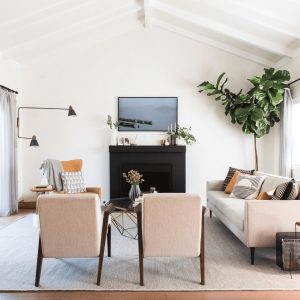
In contemporary and modern interiors, brushed brass chandeliers can serve as a bridge between the minimalist and the ornate. Their warm metallic tone can soften the often-stark lines of modern furniture and architecture.
Mid-Century Modern Influence
Brushed brass chandeliers, particularly those with Sputnik or starburst designs, are often associated with mid-century modern aesthetics. The organic dynamism of these fixtures, coupled with the warm metal, encapsulates the era’s blend of functionality and flair. These designs can invigorate a room with their playful yet sophisticated presence.
Transitional Styles
Transitional design seeks to blend traditional and contemporary elements. A brushed brass chandelier with a slightly more elaborate, yet not overly ornate, design can effectively bridge these two realms. It can introduce a touch of classic elegance without feeling out of place in a more modern setting.
Traditional and Classic Interiors
While often adapted for modern use, brushed brass chandeliers also find a natural home in more traditional and classic décors.
Victorian and Edwardian Elegance
In rooms inspired by Victorian or Edwardian styles, brushed brass chandeliers can enhance the sense of grandeur. Elaborate, multi-tiered designs with glass or crystal accents, rendered in brushed brass, can offer all the visual richness of their polished counterparts but with a less dazzling, more refined sheen.
Farmhouse and Rustic Charm
Contrary to what might be assumed, brushed brass can also integrate into farmhouse or rustic styles, particularly in more refined interpretations. A simpler, more utilitarian chandelier design in brushed brass can add a touch of understated elegance to a rustic setting without appearing too formal. It provides a metallic counterpoint to natural wood and stone elements.
Industrial and Eclectic Spaces
The adaptability of brushed brass extends to more industrial and eclectic environments.
Industrial Elements
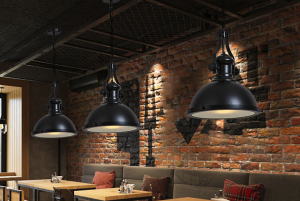
In industrial-inspired spaces, often characterized by exposed brick, metal, and raw wood, a brushed brass chandelier can introduce a warm, unexpected contrast. A fixture with a more straightforward, almost utilitarian design, perhaps with exposed bulbs or darker accents, can complement the rougher textures of industrial décor without appearing out of place.
Eclectic Composition
For eclectic interiors, where disparate styles are intentionally combined, a brushed brass chandelier can act as a unifying element due to its inherent warmth and classic form, even if the style of the chandelier itself is modern. It can ground a collection of varied furnishings and decorative objects.
Considerations for Purchase and Installation
Before acquiring and installing a brushed brass chandelier ceiling lamp, several practical factors warrant attention. These ensure the fixture meets both aesthetic and functional requirements and is safely integrated into the home.
Sizing and Scale Verification
As previously discussed, accurate measurement of the space is paramount. Measure the room’s length and width. For dining tables, measure their dimensions. Ceiling height is another critical metric. Consult reputable sources or design professionals for recommended chandelier sizes based on these measurements to avoid common pitfalls of an ill-fitting fixture.
Weight and Ceiling Support
Chandeliers, especially larger or more intricate designs, can be substantial. It is crucial to verify that the existing ceiling electrical box and support structure are adequate for the weight of the chosen fixture. Many standard electrical boxes are designed for lighter fixtures like ceiling fans or pendant lights and may require reinforcement or replacement with a heavy-duty box capable of supporting a chandelier. Professional installation is often recommended to ensure proper and safe support.
Electrical Requirements and Compatibility
Ensure the chandelier is compatible with the home’s electrical system. This includes voltage requirements. For modern applications, most chandeliers are designed for standard household voltage. Consider the type of bulbs the fixture accommodates (e.g., E12, E26 base) and their wattage limitations. The inclusion of dimmer switches is a common feature that allows for adjustable light levels, enhancing the fixture’s versatility and contributing to mood setting.
Professional Installation vs. DIY
While some homeowners may possess the skills for DIY electrical work, the installation of a ceiling lamp, particularly a chandelier, often involves working with electrical currents and potentially heavy objects suspended overhead. For safety and to ensure correct installation and support, professional electricians are generally advised. They can assess ceiling support, wire the fixture correctly, and ensure it is securely mounted, mitigating risks of electrical faults or the fixture detaching.
Budgetary Allocations
Brushed brass chandeliers, like any lighting fixture, vary widely in price depending on their size, complexity of design, materials used, and brand. Establishing a realistic budget beforehand can help narrow down options and prevent overspending. Consider not only the purchase price but also potential costs for professional installation, bulb replacements, and any necessary modifications to the electrical system.
Long-Term Care and Cleaning Strategy
Develop a plan for the ongoing maintenance of the brushed brass chandelier. This includes understanding the manufacturer’s recommended cleaning methods to preserve the finish. Regular dusting with a soft cloth is usually sufficient. For deeper cleaning, use mild, non-abrasive solutions and ensure the fixture is completely dry afterward to prevent water spots or potential damage to the finish. Understanding the material’s properties and how to care for it will ensure the fixture remains an attractive element of the space for years to come.