
Creating visually appealing and functional interior spaces often involves careful consideration of lighting. Hallways, frequently overlooked as mere transitional areas, present a significant opportunity for enhancement through strategic illumination. Linear accent wall lamps, in particular, offer a modern and effective solution for transforming these often-uniform passages into engaging and sophisticated environments.
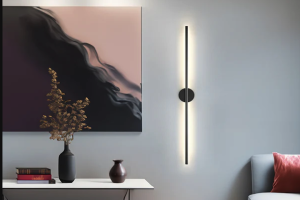
Linear accent wall lamps Ilonalighting are characterized by their elongated form, designed to cast light in a defined, often horizontal or vertical path. Unlike broad ambient lighting, accent lighting focuses on highlighting specific architectural features, artwork, or creating a particular mood. In the context of hallways, these lamps serve a dual purpose: to provide necessary illumination for navigation and to introduce an element of design that elevates the overall aesthetic of the space.
The Role of Accent Lighting in Interior Design
Accent lighting is a fundamental component of a well-executed lighting plan. It serves to draw attention to elements that are intended to be noticed, adding depth and dimension to a room. Think of it as the spotlight in a theater production, highlighting the performance rather than simply illuminating the entire stage. In hallways, this can mean emphasizing the texture of a wall, the lines of a staircase, or a piece of art. Without accent lighting, a hallway can feel flat and uninspired, akin to a blank canvas without a focal point.
Defining “Linear” in Luminaire Design
The term “linear” in luminaire design refers to the shape and light distribution pattern. Linear lamps are typically long and narrow, often emitting a focused beam of light. This contrasts with more traditional, bulbous light fixtures. Their streamlined form allows them to integrate seamlessly into various interior styles, from minimalist to contemporary. The linearity itself can become a design element, echoing the elongated nature of hallways.
The Technology Behind Linear Accent Wall Lamps
Modern linear accent wall lamps utilize a range of lighting technologies, with LED (Light Emitting Diode) being the most prevalent. LEDs offer several advantages:
- Energy Efficiency: They consume significantly less power than incandescent or halogen bulbs, leading to reduced electricity bills. This is a practical consideration for any homeowners or building managers.
- Longevity: LEDs have an exceptionally long lifespan, minimizing the need for frequent bulb replacements. This translates to lower maintenance costs and less disruption.
- Versatility: LEDs can produce a wide spectrum of colors and color temperatures, allowing for precise control over the ambiance. They can also be dimmed, offering flexibility in light intensity.
- Low Heat Emission: Unlike older technologies, LEDs generate minimal heat, making them safer to install near sensitive materials and improving occupant comfort.
Types of Linear Accent Wall Lamps
Linear accent wall lamps come in various forms, catering to diverse design needs:
- Wall Sconces: These are mounted directly onto the wall, often projecting outwards. Linear sconces can be slim and discreet or more substantial statement pieces.
- Recessed Linear Lights: Integrated directly into the ceiling or wall, these offer a clean, minimalist look with light emanating from a flush surface.
- Surface-Mounted Linear Lights: These fixtures are attached to the exterior of the wall or ceiling, offering design flexibility. They can be subtle or act as a bold design feature.
- In-Grade Linear Lights: Installed at floor level, these can illuminate the base of walls or create dramatic uplighting effects.
Strategic Placement for Maximum Impact
The effectiveness of linear accent wall lamps is directly tied to their placement. Thoughtful positioning can transform a mundane hallway into a dynamic and inviting space. The goal is to guide the eye, define pathways, and create visual interest.
Illuminating Architectural Features
Hallways often possess architectural elements that can be enhanced by targeted lighting. Consider the following:
- Niches and Alcoves: Recessed areas within the wall can become focal points when illuminated from above or within. Linear lights can wash the back of the niche with light, drawing attention to displayed objects or simply adding depth.
- Moldings and Cornices: Uplighting or downlighting these architectural details can emphasize their texture and form, adding a sense of grandeur. The light skimming across the surface will reveal its contours.
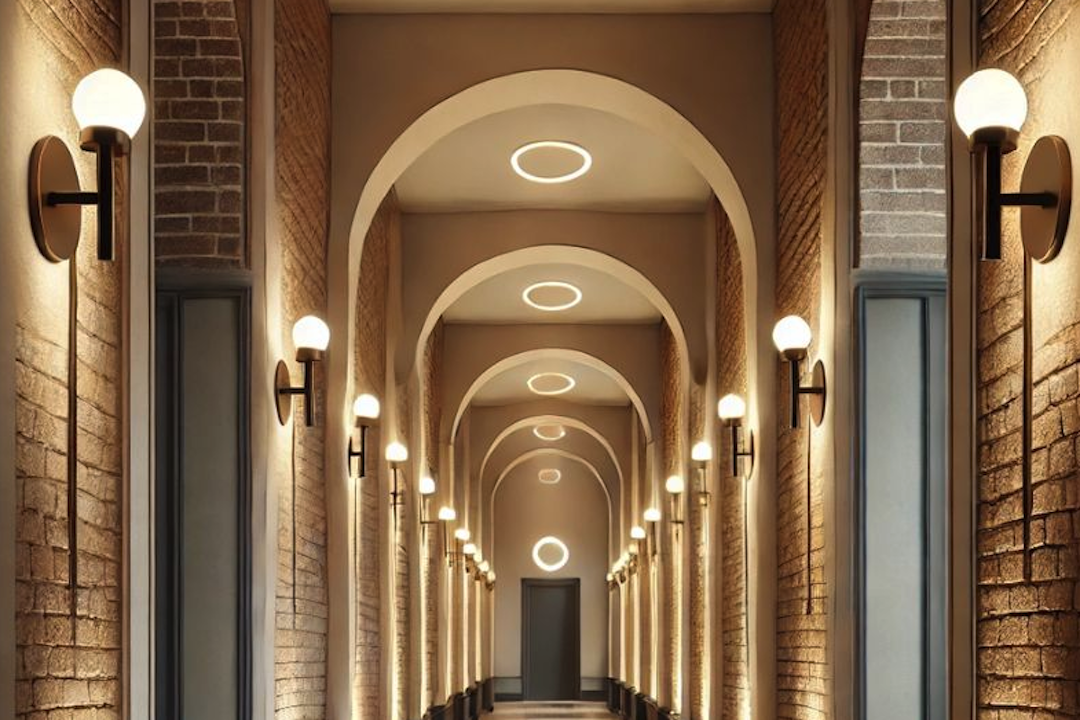
- Textured Walls: Walls with distinctive textures, such as stone, brick, or even textured wallpaper, can be dramatically showcased with grazing light. Linear lamps positioned close to the wall, casting light downwards or upwards, will accentuate the material’s tactile qualities.
Creating a Sense of Flow and Direction
Linear lighting is inherently suited to defining pathways. The inherent directionality of these fixtures can subtly guide occupants through the space.
- Guiding the Eye Down the Corridor: Placing linear lights at a consistent interval along the length of a hallway can create a strong visual cue, reinforcing the sense of a journey. This is particularly effective in long, straight corridors.
- Highlighting Transitions: At doorways, junctions, or changes in floor level, linear accent lights can serve as subtle markers, drawing attention to these important points. This enhances both aesthetics and safety.
- Uplighting and Downlighting: The direction of light plays a crucial role. Uplighting can make the ceiling appear higher, creating a sense of spaciousness. Downlighting can define the floor area and create a more intimate feel. A combination can offer dynamic visual effects.
Showcasing Artwork and Decorative Elements
Hallways are natural galleries for displaying art. Linear accent wall lamps are ideal for drawing attention to these pieces.
- Spotlighting Paintings and Photographs: Focused beams from adjustable linear fixtures can precisely highlight the details of artworks, preventing glare and ensuring accurate color rendition.
- Illuminating Sculptures and Objects: The interplay of light and shadow created by linear lamps can accentuate the three-dimensional form of sculptures and other decorative objects. The way light catches an edge or pools in a recess can reveal its character.
- Creating Dramatic Shadows: The deliberate casting of shadows can add an artistic and dramatic dimension to embraced objects. This technique requires careful consideration of the light source’s angle and intensity.
Enhancing Ambiance and Mood
Beyond mere illumination, linear accent wall lamps can significantly influence the psychological feel of a hallway.
- Creating a Welcoming Entrance: Soft, diffused linear lighting near the entrance of a home or building can create an inviting and warm atmosphere.
- Establishing a Serene Atmosphere: In private residences, soft, warm-toned linear lighting can contribute to a sense of calm and tranquility, turning a hallway into a peaceful transition zone.
- Adding a Touch of Sophistication: The clean lines and modern aesthetic of linear lamps inherently lend an air of sophistication to any space. When used artfully, they contribute to a polished and elegant environment.
Types of Linear Accent Wall Lamps and Their Applications
The diverse range of linear accent wall lamps available offers a solution for nearly every design challenge and aesthetic preference. Understanding the specific characteristics of each type will aid in making informed choices.
Wall Sconces: Versatile Illumination
Linear wall sconces are a popular choice due to their visibility and the design statements they can make.
- Up/Down Lights: These sconces cast light both upwards and downwards, creating interesting patterns on the wall and ceiling. They are excellent for adding visual texture and indirect illumination.
- Backlit Sconces: Designed to cast light behind the fixture, creating a halo effect against the wall. This provides a soft, diffused glow and can highlight the wall’s texture.
- Direct Accent Sconces: These fixtures have directional beams that can be aimed at specific points of interest, such as artwork or architectural details. Their adjustability makes them highly versatile.
Recessed Linear Lighting: The Invisible Luminary
For a minimalist and integrated look, recessed linear lighting is unsurpassed.
- Cove Lighting: While not strictly a wall lamp, linear lights installed in coves along the ceiling can indirectly illuminate the hallway walls, creating a soft, ambient glow. This can make the ceiling appear higher and the space more expansive.
- Wall-Integrated Strips: Linear LED strips can be recessed directly into drywall or paneling, appearing as clean lines of light emerging from the wall itself. This offers a seamless and modern aesthetic.
- Perimeter Lighting: Running recessed linear lights along the perimeter of the ceiling or walls can provide a continuous wash of light, defining the space and creating a sense of continuity.
Surface-Mounted Linear Fixtures: Design Statements
These fixtures are mounted on the surface of the wall or ceiling, allowing them to act as visual elements in themselves.
- Suspended Linear Lights: While often used in open areas, linear pendants can be strategically placed in wider hallways to provide both task and accent lighting, drawing the eye downwards.
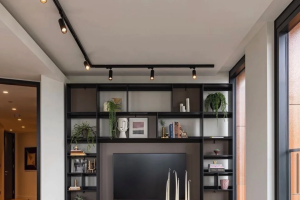
- Linear Track Lighting: While versatile for accenting artwork, track lighting in a linear configuration can be used to highlight specific wall sections or create a dramatic visual line.
- Decorative Linear Fixtures: Many manufacturers offer linear fixtures designed with specific aesthetic goals in mind, incorporating materials like metal, wood, or frosted glass to complement the interior design.
In-Grade Linear Lighting: Ground-Level Accents
For a dramatic and architectural effect, in-grade linear lights are a powerful tool.
- Floor Washing: Placing linear lights at the base of walls can create a striking uplighting effect, emphasizing the wall’s texture and height. This can make the hallway appear more dynamic and less imposing.
- Step Lighting: Integrated into stair nosings or along the edge of steps, linear lights provide safe and attractive illumination for navigating staircases. This is a critical safety and aesthetic feature.
- Path Delineation: In wider hallways or at junctions, in-grade linear lights can subtly demarcate pathways, adding a sophisticated touch.
Illuminating Different Hallway Styles
The choice of linear accent wall lamps should complement the overall architectural style of the space. A well-chosen fixture will blend in seamlessly, or act as a deliberate design accent.
Minimalist Hallways
In minimalist interiors, simplicity and clean lines are paramount.
- Recessed Linear Lights: These are often the preferred choice, offering a seamless integration with the walls and ceilings. The light itself becomes the focus, rather than the fixture.
- Slim, Understated Sconces: If wall sconces are used, they should be narrow and unobtrusive, with simple geometric forms. The light distribution should be clean and precise.
- Focus on Texture: Minimalist spaces can benefit greatly from accentuating wall textures. Grazing light from linear fixtures can reveal the subtle variations in materials like concrete or plaster.
Contemporary Hallways
Contemporary design embraces modern materials and forms, offering more flexibility.
- Geometric Linear Sconces: Fixtures with interesting geometric shapes and finishes can add a modern artistic touch.
- Integrated LED Strips: Concealed LED strips can create a dramatic luminous effect, outlining architectural features or creating linear patterns on walls.
- Statement Linear Fixtures: Larger, more sculptural linear fixtures can serve as focal points within a contemporary hallway, adding personality and visual interest.
Traditional and Classic Hallways
While linear lighting is often associated with modern design, it can be adapted to traditional settings.
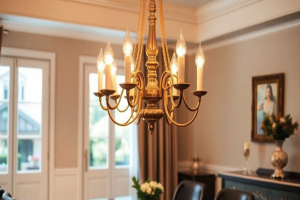
- Sconces with Classic Finishes: Linear sconces in finishes like brushed brass or antique bronze can complement more traditional decor.
- Soft, Diffused Light: The light emitted should be warmer and softer, avoiding harsh, direct beams. Frosted diffusers can help achieve this.
- Subtle Accents: In traditional hallways, the linear lighting is often used more subtly to highlight architectural elements like picture rails or moldings, rather than as a bold statement.
Industrial Hallways
Industrial design embraces raw materials and exposed elements.
- Metal Finishes: Linear fixtures with black, brushed steel, or copper finishes will integrate well.
- Exposed Bulb Styles (with linear arrangement): Some linear fixtures mimic the look of exposed Edison bulbs, adding a vintage industrial feel.
- Functional and Utilitarian: The design of the fixtures should feel practical and robust, complementing the aesthetic of exposed pipes and concrete.
Practical Considerations for Installation and Maintenance
Beyond design, a few practical aspects are crucial for the successful implementation of linear accent wall lamps.
Electrical Requirements and Planning
Before installation, it is essential to understand the electrical needs of the chosen fixtures.
- Transformer and Driver Placement: Many LED linear lights require transformers or drivers to regulate voltage. These need to be housed in accessible locations, such as above ceilings or within wall cavities.
- Wiring and Power Sources: Adequate wiring must be planned, ensuring sufficient power is available to the intended locations. Consulting with an electrician is highly recommended.
- Dimmer Compatibility: If dimmable fixtures are chosen, ensure that compatible dimmer switches are used. Not all LED drivers are dimmable, and using incompatible components can lead to flickering or premature failure.
Installation Methods and Professional Assistance
The complexity of installation will vary depending on the type of fixture.
- Recessed Lights: These typically require cutting into the wall or ceiling and may involve drywall work, making professional installation advisable.
- Surface-Mounted Sconces: These are generally simpler to install, often requiring only basic electrical connections and mounting hardware.
- In-Grade Lights: These require careful planning for embedding within the floor or wall, often involving concrete work, making professional installation essential.
Maintenance and Longevity
The inherent longevity of LED technology minimizes some maintenance concerns, but general upkeep is still necessary.
- Cleaning Fixtures: Regular dusting or wiping down of fixtures will maintain their aesthetic appeal and prevent dust buildup from affecting light output.
- Checking Connections: Periodically ensuring all electrical connections are secure is a good preventative measure.
- Addressing Flickering or Malfunctions: While rare with quality LEDs, any signs of flickering or malfunction should be addressed promptly by a qualified electrician to prevent further issues.
By thoughtfully integrating linear accent wall lamps, hallways can transition from utilitarian passages to integral components of a well-designed interior. These fixtures offer a versatile and effective means of enhancing both the functionality and the aesthetic appeal of these important transitional spaces.