
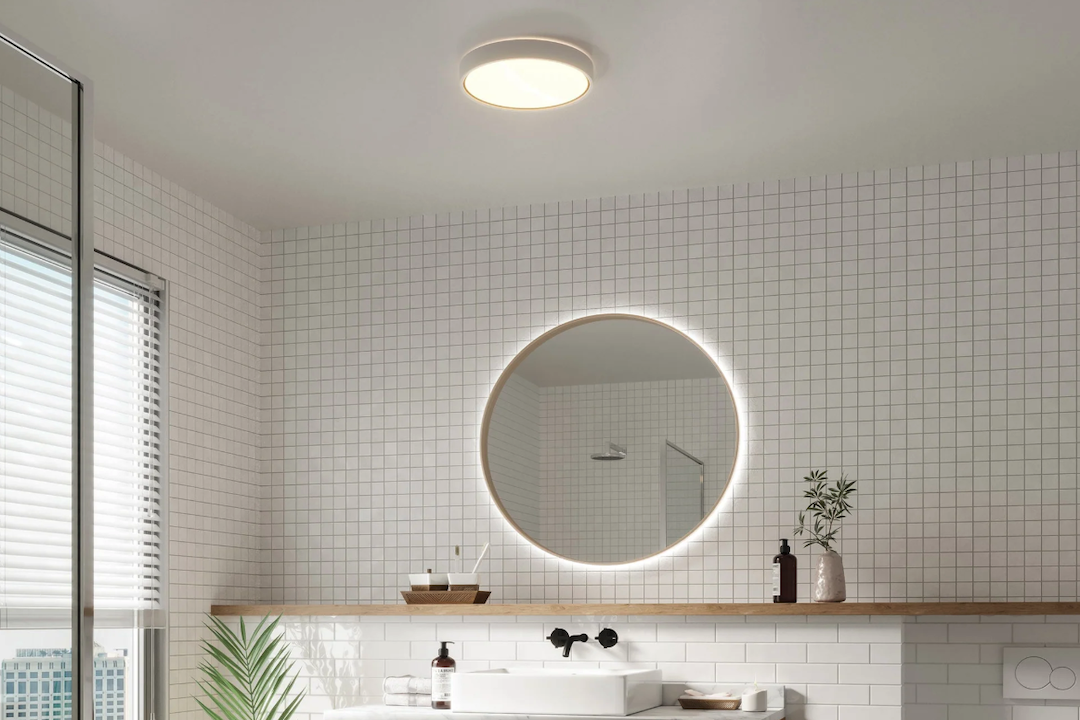
Finding the right bathroom ceiling light can feel a bit like a treasure hunt, can’t it? You want something that gives off a nice, soft glow, not a harsh spotlight that makes you feel like you’re under an interrogation lamp. Minimalist ceiling lighting is a fantastic way to achieve that comfortable, spa-like feel without a lot of fuss. It’s all about creating an ambient, pleasant light that enhances the space rather than dominating it.
The Core Idea Behind Soft White Glow
When we talk about “soft white glow” in bathroom lighting, we’re really referring to the color temperature of the light Lumesdesign bulb. This is measured in Kelvins (K).
Understanding Color Temperature
- Warm White (2700K-3000K): This is the kind of light that feels like a traditional incandescent bulb – cozy, inviting, and a bit yellow. It’s excellent for creating a relaxing atmosphere, ideal for a bathroom where you might want to unwind.
- Neutral White (3500K-4100K): This sits in the middle, offering a cleaner, brighter light without being stark. It’s often a good choice for task areas if you need a bit more clarity, but still want a pleasant feel.
- Cool White/Daylight (5000K+): This mimics natural daylight and can feel a bit blue. While good for specific task lighting in a workshop, it’s usually too harsh for a relaxing bathroom ambiance.
For a “soft white glow,” you’ll generally want to aim for the Warm White range.
Minimalist Design Principles for Bathroom Ceiling Lights
Minimalism isn’t just about a lack of decoration; it’s about intentionality. For bathroom ceiling lights, this translates into fixtures that are understated in their form and focus on delivering light efficiently and effectively.
Simplicity in Form
- Clean Lines: Think geometric shapes like circles, squares, or rectangles. Avoid ornate details, intricate patterns, or anything that feels busy.
- Unobtrusive Profiles: Fixtures should hug the ceiling or have a very slim profile. They shouldn’t be a dominant visual element.
- Muted Finishes: Brushed nickel, matte black, white, or even brushed brass can work well, as they tend to blend into the background rather than demanding attention.
Functionality Over Flourish
- Purposeful Lighting: Minimalist fixtures are designed to do one job well: illuminate the space. They avoid unnecessary features like elaborate chains or multiple exposed bulbs.
- Integrated Design: Many modern minimalist lights have integrated LED modules, meaning the light source is part of the fixture itself, contributing to its sleek appearance.
Types of Minimalist Bathroom Ceiling Lights
When you’re looking for that soft white glow with a minimalist approach, the options usually fall into a few distinct categories.
Flush Mount Fixtures
These are the workhorses of minimalist ceiling lighting. They mount directly onto the ceiling surface, offering a clean and seamless look.
The Versatility of Flush Mounts
- Space Savers: Their low profile makes them ideal for bathrooms with lower ceilings, as they don’t hang down and reduce visual headroom.
- Uniform Light Distribution: When chosen well, they can spread light evenly across the room, preventing dark corners.
- Variety of Styles: Even within flush mounts, there’s a spectrum. You can find simple disc lights, square panels, or even drum-shaped fixtures with fabric or frosted diffusers for that softer effect.
Frosted Diffusers for Softness
- Blurring the Light Source: A frosted glass or acrylic diffuser is key to achieving that soft glow. It’s the barrier between the bright bulb and your eyes, diffusing the light into a gentler, more ambient illumination.
- Avoiding Glare: This is crucial for a bathroom. Nobody wants to be blinded when they’re just trying to brush their teeth or splash some water on their face.
Semi-Flush Mount Fixtures
These offer a little more clearance from the ceiling than flush mounts, often providing a more decorative element while still maintaining a minimalist aesthetic.
Adding a Touch of Dimension
- Slight Projection: They have a short stem or connector that holds the light shade a few inches away from the ceiling. This can sometimes allow for slightly more interesting shade designs without sacrificing minimalism.
- Good for Mid-Height Ceilings: They strike a balance, offering a bit more visual interest than a flush mount but without the bulk of a pendant.
Designer Minimalist Semi-Flush Options
- Geometric Cages: Think of a simple metal frame (square or round) with a frosted glass diffuser inside. The cage provides the structure and minimal detail, while the diffuser softens the light.
- Opal Glass Domes: A classic look that’s inherently minimalist. The opal glass scatters light beautifully, creating a warm and inviting glow.
Recessed Lighting (Downlights)
While not a single fixture on the ceiling, recessed lighting is a quintessential minimalist ceiling lighting solution. It’s literally in the ceiling, so you see only the light.
The Ultimate in Subtlety
- Invisible Lighting: The fixture itself is hidden within the ceiling joists, with only the trim and lens visible. This creates a very clean, uncluttered look.
- Precise Placement: You can strategically place recessed lights to illuminate specific areas, like the vanity, shower, or tub, ensuring functional lighting where needed.
Achieving a Soft Glow with Recessed Lights
- Beam Angle: This refers to how wide or narrow the light beam is. For a general soft glow, you’ll want a wider beam angle (e.g., 60 degrees or more) to spread the light more diffusely.
- Trim Styles: Look for trims that minimize the visible hardware. Baffle trims, which have ribbed interiors, can help reduce glare.
- Diffusion Lenses: Some recessed lights come with frosted or frosted lenses that further soften the light output.
- Dimmer Compatibility: This is often overlooked but is crucial for achieving a truly ambient feel. Being able to dim the lights allows you to adjust the intensity for different moods or times of day.
LED Integrated Fixtures
Many modern minimalist lights are designed with built-in LED boards. This integration makes for very slim, cohesive fixtures.
The Advantages of Integrated LEDs
- Sleek Designs: The absence of a separate socket or bulb housing allows for incredibly thin and modern designs that are inherently minimalist.
- Energy Efficiency: LEDs are well-known for their long lifespan and low energy consumption.
- Consistent Looking Light: The LED source is usually diffused by a single panel or shade, creating a very uniform light output.
What to Look For in Integrated LEDs
- Color Rendering Index (CRI): Higher CRI (90+) means colors will look more natural under the light. This is important in a bathroom, especially when checking your appearance.
- Dimmability: Make sure the fixture specifically states it’s dimmable and compatible with your chosen dimmer switch.
- Light Output (Lumens): While you want soft light, you still need enough illumination for the function of your bathroom. You can always dim a brighter light, but you can’t make a dim light brighter.
Practical Considerations for Choosing Your Light
Beyond the aesthetics, there are practical aspects to consider to ensure your minimalist bathroom ceiling light is functional and fits your space.
Sizing and Scale
- Room Dimensions: The size of your bathroom will dictate the size and number of lights you need. A large bathroom might require a larger flush mount or a few strategically placed recessed lights.
- Ceiling Height: As mentioned, flush mounts are great for low ceilings. Semi-flush mounts work well for average heights. For very high ceilings, recessed lighting or a series of smaller minimalist fixtures might be more appropriate.
Light Placement
- General Illumination: A central flush mount or a well-distributed set of recessed lights can provide the overall ambient light.
- Task Lighting: While this article focuses on ambient glow, remember that bathrooms often benefit from additional task lighting, especially around the vanity. This might not be your ceiling light, but it’s part of a well-lit bathroom.
Color Rendering Index (CRI)
- True Colors: A good CRI is important for seeing colors accurately, which is particularly relevant in a bathroom for things like makeup application or choosing outfits. Aim for a CRI of 90 or higher.
Dimmability
- Creating Ambiance: This cannot be overstated for a “soft white glow.” Having the ability to dim your ceiling lights allows you to dial down the brightness and really create a soft, relaxing atmosphere, especially in the evenings or mornings.
- LED Compatibility: Ensure that the LED fixture and your dimmer switch are compatible. Not all LED lights are dimmable, and not all dimmers work with all LEDs.
Bathroom-Specific Ratings (IP Rating)
- Moisture Resistance: Bathrooms are inherently humid environments. For ceiling lights, especially those in or near wet areas like showers, look for fixtures with an appropriate IP (Ingress Protection) rating.
Understanding IP Ratings
- IP21: Basic protection against solid objects larger than 32mm and vertically falling water drops. Generally suitable for secondary bathrooms or areas far from water.
- IP44: Protected against solid objects larger than 1mm and splashing water from any direction. This is a common and good choice for most bathroom ceiling lights outside of the immediate shower or tub zone.
- IP65: Dust-tight and protected against water jets. This is the highest level of protection and is best for fixtures directly in the shower or bath area.
Where to Find Minimalist Bathroom Ceiling Lights
You don’t need to look far to find minimalist bathroom ceiling lights. Many major lighting retailers and online stores offer a good selection.
Online Retailers
- Specialty Lighting Websites: Many sites are dedicated solely to lighting. They often have advanced search filters that can help you narrow down by style, finish, and type.
- Major Online Marketplaces: These can be great for finding a wide range of options at different price points. Just be sure to read reviews carefully for quality and performance.
- Direct from Manufacturers: Some lighting brands sell direct to consumers, which can sometimes offer better pricing or access to exclusive lines.
Brick-and-Mortar Stores
- Home Improvement Stores: These provide the chance to see fixtures in person, feel their quality, and get a sense of their size.
- Lighting Showrooms: For higher-end or more specialized options, a dedicated lighting showroom can be very helpful. The staff are usually knowledgeable and can offer advice.
What to Look for in Product Descriptions
- Color Temperature (Kelvin): Ensure it specifies the Kelvin rating (e.g., 2700K for warm white).
- Lumens: Check the light output for adequate brightness (you can always dim).
- Dimmable: Crucial for achieving the soft glow effect.
- CRI: Look for a high CRI rating for accurate color representation.
- IP Rating: Essential for bathroom safety and longevity.
- Materials and Finish: Confirm it matches your desired aesthetic.
By focusing on these practical elements and understanding what makes a light fixture truly minimalist and capable of producing that sought-after soft white glow, you can confidently choose a ceiling light that will enhance your bathroom’s comfort and style.