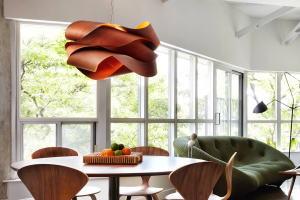


The selection of appropriate lighting fixtures plays a significant role in interior design, influencing both the aesthetic and functional aspects of a living space. For individuals with an appreciation for architectural elements and nuanced design, the choice of home décor lighting gifts necessitates consideration of various factors, including design principles, technological advancements, and material science. This article aims to inform the reader regarding the intricacies of selecting and appreciating such items, focusing on their utility and design merits rather than their superficial appeal.
Architectural lighting 1homedesign, at its core, is a deliberate manipulation of light to reveal and enhance the spatial characteristics of an environment. It is not merely about illumination; rather, it is about sculpting spaces with light and shadow, highlighting textures, and defining focal points. For those discerning individuals often referred to as “architects,” the value lies in this precise application of light.
A. Layers of Light: Ambient, Task, and Accent
Effective lighting design employs a multi-layered approach.
- Ambient lighting provides a general illumination, ensuring basic visibility and a comfortable overall brightness. It serves as the foundation upon which other layers are built. Examples include recessed lighting, ceiling-mounted fixtures, and some pendant lights. The goal is an even distribution, avoiding harsh contrasts.
- Task lighting is specifically directed to facilitate activities requiring visual acuity, such as reading, cooking, or working. The focus here is on functionality and preventing eye strain. Desk lamps, under-cabinet lighting, and reading lamps fall into this category. Their design should prioritize directability and appropriate intensity.
- Accent lighting is used to draw attention to specific architectural features, artwork, or decorative objects. It creates visual interest and dramatic effect. Spotlights, wall washers, and picture lights are common forms of accent lighting. The strategic placement and beam control are paramount for achieving the desired visual hierarchy.
B. The Interplay of Light and Shadow
Shadows are not merely the absence of light; they are integral components of architectural lighting. They define form, create depth, and add a sense of drama to a space. A well-designed lighting scheme understands and utilizes shadows to enhance the perception of three-dimensionality. For instance, grazing light along a textured wall can emphasize its unique pattern, while a precisely aimed spotlight can cast a dramatic shadow that adds to the object’s presence. The absence of consideration for shadows often results in flat, uninteresting interiors.
II. Materiality and Craftsmanship in Lighting Design
The materials from which a lighting fixture is constructed, alongside the quality of its manufacture, directly influence its aesthetic appeal, durability, and the manner in which it interacts with light. For the discerning eye, these elements are paramount.
A. The Influence of Material on Light Emission
Different materials scatter, reflect, absorb, and transmit light in distinct ways.
- Metals (e.g., brass, copper, steel, aluminum) typically offer reflective surfaces. Polished metals can create sharp, brilliant reflections, while brushed or matte finishes produce a softer, diffused glow. The choice of metal finish influences the warmth or coolness of the emitted light and the overall character of the fixture.
- Glass provides a diverse range of effects, from clear and transparent, allowing unimpeded light transmission, to frosted or etched, diffusing light for a softer effect. Colored glass introduces chromatic nuances to a space. The thickness and composition of the glass affect its light-filtering properties.
- Wood often introduces warmth and natural texture. While not directly emitting light, wood can diffuse it or serve as a housing that frames and directs light. The grain and finish of the wood contribute to the fixture’s tactile and visual qualities.
- Ceramics and composites offer versatility in form and surface texture. They can be opaque, translucent, or porous, allowing for varied light interactions. The ability to mold these materials into complex shapes offers designers broad creative scope.
B. The Significance of Fabrication Techniques
The method of fabrication contributes significantly to the perceived quality and longevity of a lighting fixture.
- Hand-blown glass fixtures often exhibit subtle imperfections and variations that attest to their artisanal origin, adding a unique character. The skill of the glassblower directly influences the optical clarity and form of the final product.
- Precision machining in metalwork ensures tight tolerances, clean lines, and seamless joints, characteristic of high-end industrial design. Such techniques are vital for fixtures with intricate mechanical components or those requiring a minimalist, refined aesthetic.
- Traditional joinery in wooden fixtures speaks to craftsmanship and durability. The absence of visible fasteners and the seamless integration of components are hallmarks of quality.
- Integrated LED components demand precise engineering to manage heat dissipation and ensure consistent light output and color temperature. The quality of integration impacts both the performance and the lifespan of the LED source.
III. Integrating Technology for Enhanced Functionality
Modern lighting fixtures are increasingly incorporating advanced technologies, moving beyond simple on/off switches to offer sophisticated control and energy efficiency. These technological integrations are not mere gimmicks but provide tangible benefits for both the user and the environment.
A. Smart Lighting Systems
Smart lighting systems offer unprecedented control over illumination.
- Dimming capabilities allow users to adjust light intensity to suit different moods or activities, conserving energy at lower settings. This extends beyond simple rotary dimmers to include more granular control.
- Color temperature tuning enables the adjustment of white light from warm (e.g., 2700K for relaxation) to cool (e.g., 5000K for task-oriented activities). This dynamic control can mimic natural daylight cycles, potentially impacting circadian rhythms positively.
- Scheduling and automation features allow lights to turn on/off, dim, or change color temperature at predetermined times or in response to external triggers (e.g., sunrise/sunset, occupancy sensors). This enhances convenience and energy efficiency.
- Voice and app control interfaces provide intuitive methods for managing lighting, integrating seamlessly into broader smart home ecosystems. The user experience is prioritized, simplifying complex controls.
B. Energy Efficiency and Sustainability
The environmental impact of lighting is a growing concern, making energy-efficient choices crucial.
- LED technology stands as the cornerstone of modern energy-efficient lighting. LEDs consume significantly less power than incandescent or fluorescent bulbs, have a much longer lifespan, and produce less heat. This translates to lower electricity bills and reduced environmental footprint.
- Occupancy and daylight sensors prevent unnecessary energy consumption by automatically turning off lights in unoccupied rooms or dimming them when sufficient natural light is available. These passive systems optimize energy use without requiring active user intervention.
- Sustainable materials research in lighting design focuses on incorporating recycled content, sustainably sourced materials, and designs that facilitate end-of-life recycling. The entire lifecycle of the product, from manufacturing to disposal, is considered.
IV. The Role of Form and Aesthetics
Beyond mere functionality, the aesthetic form of a lighting fixture contributes significantly to the overall design narrative of a space. For the visually sensitive, the form is not an afterthought but a central tenet of the design.
A. Design Movements and Influences
Lighting fixtures often reflect broader design movements, embodying their philosophies and stylistic characteristics.
- Mid-century modern fixtures, for example, often feature clean lines, organic shapes, and a blend of materials like metal, wood, and glass. Their aesthetic prioritizes functionality and understated elegance, often with a playful, sculptural quality.
- Industrial design draws inspiration from factory and workshop aesthetics, utilizing raw materials like exposed metal, repurposed objects, and utilitarian forms. These fixtures often highlight their construction and components rather than concealing them.
- Minimalist design reduces fixtures to their essential elements, emphasizing simplicity, uncluttered lines, and a subdued palette. The absence of extraneous ornamentation allows the form and material to speak for themselves.
- Art Deco fixtures often showcase geometric patterns, luxurious materials, and a sense of grandeur, reflecting the opulence and dynamism of the 1920s and 30s.
B. Sculptural Lighting as Art
Some lighting fixtures transcend their functional purpose to become sculptural objects or artistic installations within a space.
- These pieces are designed not only to emit light but also to serve as focal points, commanding attention and contributing significantly to the architectural character of a room even when unlit.
- Often hand-crafted or custom-designed, they might employ unconventional materials or innovative light sources to create unique visual effects. The form itself becomes a work of art, with light becoming one of its mediums.
- Examples include chandeliers that resemble abstract sculptures, large-scale pendant lights with intricate forms, or wall-mounted fixtures that cast dynamic patterns of light and shadow, transforming the wall into a canvas.
V. Selecting and Presenting Architectural Lighting Gifts
Choosing a lighting gift for someone who appreciates architectural design requires careful consideration of their aesthetic preferences, the specific environment where the fixture will reside, and the underlying principles discussed above. It is an act of considered curation, not a casual purchase.
A. Personalizing the Gift: Contextual Relevance
A truly appreciated lighting gift integrates seamlessly into the recipient’s existing design ethos.
- Consider their current architectural style: Does their home lean towards modern minimalist, classic traditional, industrial loft, or something eclectic? The gift should complement, not clash with, this established style. A sleek, contemporary pendant light might be incongruous in a rustic farmhouse, for example. Understanding their design language is paramount.
- Evaluate the intended location: Is the gift for ambient, task, or accent lighting? A desk lamp for a dedicated workspace differs greatly from a statement chandelier for a dining room. The function dictates the form and intensity of the light source.
- Observe their material preferences: Do they favor warm woods, cool metals, vibrant colors, or monochromatic schemes? The materials of the fixture should resonate with their existing décor and personal taste. This requires attentive observation.
- Consider their lifestyle: For someone who frequently reads, a high-quality task light is invaluable. For someone who entertains, adjustable mood lighting might be more appropriate. The gift should align with their daily routines and activities.
B. The Importance of Presentation and Documentation
The presentation of a high-quality lighting gift adds to its perceived value and demonstrates thoughtful consideration.
- Quality packaging: A well-designed, sturdy box protects the item and elevates the unboxing experience. It should reflect the quality of the product within, using appropriate materials and finishes.
- Detailed documentation: Including technical specifications, designer bio, material origins, installation instructions, and care guidelines provides crucial information. For a discerning recipient, understanding the provenance and technical details enhances their appreciation. This documentation serves as a testament to the product’s design and engineering.
- Certifications and warranties: Providing information on safety certifications (e.g., UL, CE) and manufacturer warranties instills confidence in the product’s quality and longevity. This reassures the recipient of the gift’s reliability.
- Consider a personalized message: A simple, thoughtful note explaining the rationale behind your choice can transform a functional item into a deeply personal gesture. This contextualizes the gift within a relationship, rather than presenting it as a mere transaction.
In conclusion, the selection of home décor lighting as a gift, particularly for individuals with an architectural sensibility, requires an informed approach. It is not merely about aesthetic appeal but also about understanding the interplay of light, material, technology, and form. By considering these factors, one can select a gift that is not only visually pleasing but also genuinely functional, intellectually stimulating, and reflective of a deeper appreciation for design integrity. This comprehensive consideration transforms a simple object into a meaningful addition to a well-considered living space.